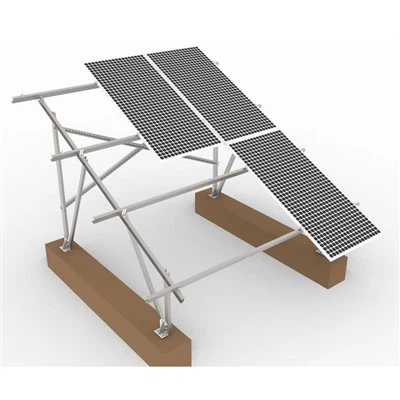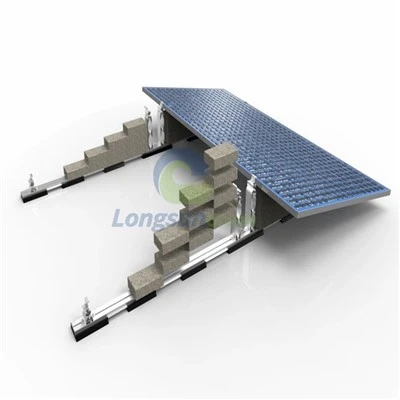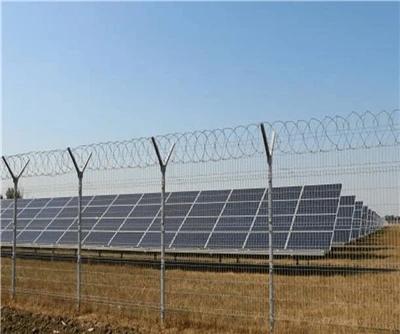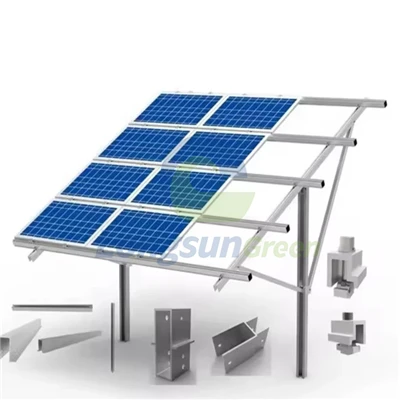


As the global distributed solar market expands rapidly, rooftop PV systems have become the preferred choice for residential and commercial projects due to their flexibility and efficiency. Among the critical components of solar mounting systems, rooftop solar short rails stand out for their lightweight design, corrosion resistance, and quick installation, making them ideal for diverse roof structures. This article explores the features, applications, and market trends of short rails.
1. Key Advantages: Lightweight, Versatile & Durable
① Lightweight Design, Minimizing Roof Load
Rooftop short rails are typically made of high-strength aluminum 6063-T5 or galvanized steel, reducing weight by over 30% compared to traditional racks. This ensures compliance with wind load and snow load standards (e.g., ASCE 7, EN 1991), critical for stability in extreme weather.
② Modular Structure, Fits Diverse Roof Types
With lengths ranging from 0.5 to 3 meters, short rails can be easily adjusted around obstacles (e.g., chimneys, skylights), minimizing material waste. Compatible with clamp-on, mid-clamp, and end-clamp systems, they support mainstream 182mm & 210mm solar panels, making them suitable for:
Tiled roofs (e.g., clay, concrete)
Metal roofs (standing seam, corrugated)
Flat roofs (paired with tilt legs)
③ Corrosion-Resistant, 25+ Year Lifespan
Featuring anodized or PVDF-coated surfaces, these rails resist UV rays, salt spray, and acid rain, meeting UL 2703, EN 1090, and other international certifications for long-term reliability.

2. Applications: From Residential to BIPV
① Residential Rooftop Solar
Compact short rails maximize space on home rooftops, often integrated with microinverters or power optimizers (e.g., Enphase, SolarEdge) for higher energy yields. Brands like Renusol and Schletter dominate the European market.
② Commercial & Industrial Flat Roofs
For factories and warehouses, short rails combined with tilt brackets create 5°–15° angles, balancing energy output and maintenance access.
③ BIPV (Building-Integrated Photovoltaics)
Low-profile rails enable seamless integration into roofs or facades, enhancing aesthetics for LEED-certified green buildings.
3. Market Trends: Standardization & Smart Tech
① Standardized Designs Cut Costs
Major manufacturers (e.g., Unirac, Clenergy, IronRidge) now offer universal short rails compatible with multiple panel brands, reducing supply chain complexity.
② Smarter Installation Tools
AI-powered drone mapping and design software (e.g., Aurora Solar) optimize rail layouts, while pre-assembled rail kits slash installation time.
③ Policy-Driven Demand Growth
Global net-zero targets and incentives like the U.S. ITC tax credit and China's county-wide PV rollout are accelerating adoption. The solar racking market is projected to exceed $20 billion by 2025, with distributed systems claiming over 40% share.
4. Selection Guide: Safety & Performance
Load Testing: Verify wind/snow ratings for local conditions (e.g., hurricane-prone areas).
Lightning Protection: Rails must connect to building grounding systems (IEC 62305).
Water Drainage: Avoid blocking roof runoff to prevent leaks.

Conclusion
Rooftop solar short rails, the unsung heroes of distributed PV, are driving the industry toward faster, cheaper, and smarter installations. For installers and developers, selecting code-compliant, locally optimized solutions is key to reducing LCOE (Levelized Cost of Energy) and maximizing ROI.
High-Search-Volume Keywords:
Solar racking, rooftop PV, BIPV, aluminum rails, solar panel mounting, distributed generation, PV mounting system, solar installation, UL certification, wind load calculation, LEED certification, ITC tax credit, LCOE, flat roof solar, standing seam clamps.
For media inquiries or product details, contact:
Xiamen Longsun Green Energy Technology Co.,Ltd
Email:amber@longsungreen.com
Mobile: +86 18859620328 Web: www.longsungreen.com