

As the global demand for solar energy solutions surges, Ballasted Roof Mounting Systems have emerged as a leading choice for commercial solar installations, industrial solar projects, and large-scale PV systems. Unlike traditional penetrating roof mounts, these systems rely on weighted ballasts (such as concrete blocks or steel structures) to secure solar panels without drilling into the roof. This technology is revolutionizing flat roof solar installations, offering cost-effective, waterproof-safe, and easy-to-install alternatives.
With increasing interest in renewable energy, sustainable construction, and green building certifications like LEED, Ballasted Roof Mounting Systems are gaining traction in markets across the U.S., Europe, Australia, and Asia. This press release explores their benefits, applications, and future trends in the solar mounting industry.

What Are Ballasted Roof Mounting Systems?
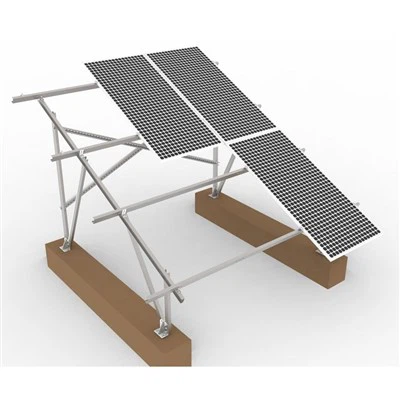
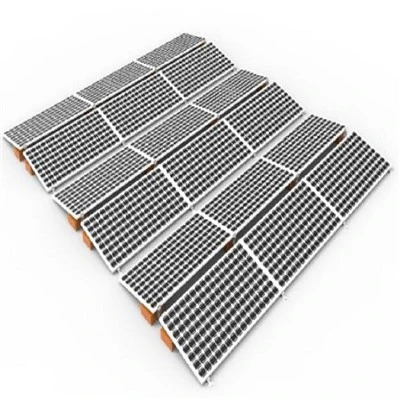
A Ballasted Solar Mounting System is a non-penetrative solar racking solution designed for low-slope roofs and flat rooftops. Instead of using roof anchors or bolts, the system employs gravity-based ballasts (typically pre-cast concrete blocks or steel weights) to hold the solar array in place.
Key Components:
Ballast Trays / Ballast Pans – Hold weighted materials to prevent wind uplift.
PV Mounting Rails – Support solar modules in optimal tilt angles.
Adjustable Legs / Tilt Kits – Allow customization for solar panel angle optimization.
Wind Deflectors / Edge Clamps – Enhance wind resistance in high-wind zones.
This design is ideal for commercial rooftops, warehouse solar installations, and large-scale solar farms where roof integrity is a priority.
Why Choose Ballasted Roof Mounting Systems?
1. No Roof Penetration – Preserves Waterproofing
One of the biggest concerns in rooftop solar installations is roof leaks. Traditional penetrating mounts require drilling, increasing risks of water infiltration and roof degradation. Ballasted systems eliminate this issue, making them perfect for:
TPO roofs (Thermoplastic Polyolefin)
PVC membrane roofs
EPDM rubber roofs
Built-up roofing (BUR) systems
2. Faster & Easier Installation
Since no roof penetrations or sealants are needed, installation is up to 30% faster than traditional methods. This reduces labor costs and minimizes project downtime, making it ideal for:
Solar EPC contractors
Commercial solar developers
Industrial solar projects
3. Cost-Effective & Scalable
Ballasted systems require fewer materials than penetrating racking systems, lowering balance-of-system (BOS) costs. Additionally, they are modular, allowing easy expansion for future solar capacity increases.
4. High Wind & Snow Load Resistance
Engineered for ASCE 7 wind load standards and snow load requirements, modern ballasted systems use aerodynamic designs and weight distribution to withstand extreme weather.
5. Flexibility for Roof Access & Maintenance
Unlike fixed mounts, ballasted systems can be relocated if roof repairs or HVAC maintenance are needed, reducing long-term operational disruptions.

Applications of Ballasted Solar Mounting Systems
1. Commercial & Industrial Rooftops
Warehouses
Shopping malls
Factories
Data centers
2. Large-Scale Solar Canopies & Carports
Solar parking lots
EV charging stations
3. Agricultural & Agri-Voltaic Systems
Solar greenhouses
Farmland solar integration
4. Government & Institutional Buildings
Schools & universities
Hospitals
Municipal buildings
Market Trends & Future Outlook
The global solar mounting systems market is projected to grow at a CAGR of 7.5% (2024-2030), with ballasted solutions leading in flat roof solar adoption. Key drivers include:
**Rising demand for LEED-certified buildings
Corporate sustainability goals (Net Zero, RE100)
Government incentives for commercial solar (e.g., U.S. ITC, European Green Deal)
**Growth in distributed energy generation
Manufacturers are innovating with lightweight ballasts, adjustable tilt systems, and AI-driven wind load optimization to enhance efficiency.
Conclusion
Ballasted Roof Mounting Systems represent a game-changing solution for non-penetrative solar installations, combining cost efficiency, durability, and rapid deployment. As solar energy adoption accelerates, these systems will play a pivotal role in urban solar integration, commercial PV projects, and sustainable infrastructure development.
For solar developers, EPC contractors, and building owners, adopting ballasted solar mounting technology means lower risks, faster ROI, and long-term roof protection-making it the smart choice for the future of solar.