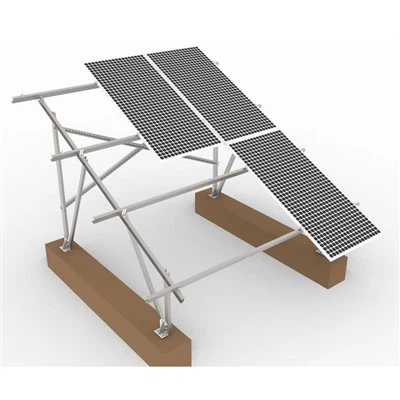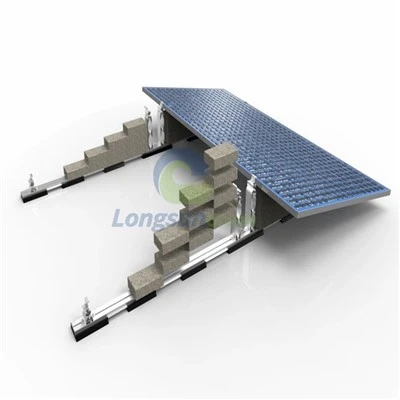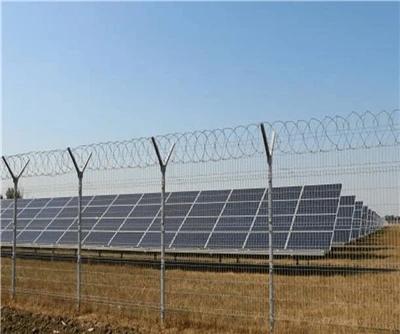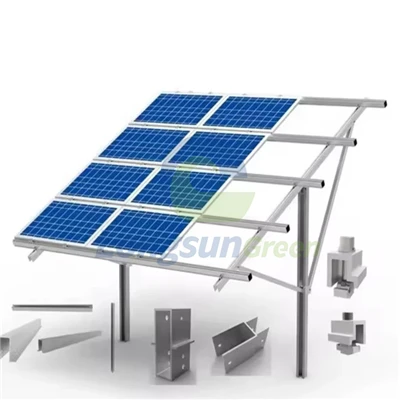


The installation structure of solar farm is suitable for a variety of environments, mainly including the following:
Surface of lakes and reservoirs: Floating solar farms are installed on the surface of water bodies such as lakes and reservoirs, which can save land space and provide electricity to remote areas. This structure is particularly suitable for areas where land resources are tight or it is impossible to build directly on the ground.
Agricultural greenhouses: There are significant advantages in transforming agricultural greenhouses to install photovoltaic modules. Agricultural greenhouse structures are suitable for photovoltaic module installation, can bear a certain weight, and provide appropriate sunshade protection to extend the life of photovoltaic modules. In addition, agricultural greenhouses are used all year round and can provide stable sunlight for photovoltaic modules.
Rooftop and vertical farms: In cities, rooftop farms and vertical farms are another common application form. Rooftop farms can install solar panels on roofs to provide electricity for planting systems and reduce dependence on traditional power grids. Vertical farms install solar panels in multi-story buildings, relying on clean energy to drive lighting and temperature control systems, which are suitable for urban areas with tight land resources.
Ocean surface: Engineers and scientists are studying ways to build solar farms on the ocean surface to solve the problem of power supply for remote islands and unpowered areas. This method is challenging but has great potential.
Specific advantages of applicable environments Saving land resources: Floating solar farms and surface solar farms do not need to occupy precious land resources, which is particularly suitable for areas where land is scarce.
Stable light conditions: Agricultural greenhouses and rooftop farms can provide stable light conditions, ensuring that photovoltaic modules can operate when there is sufficient sunlight.
Efficient use of space: Vertical farms and rooftop farms can make efficient use of urban space and reduce dependence on traditional power grids.
Environmentally friendly: All these structures reduce carbon emissions, promote the use of clean energy, and meet the goals of sustainable development.