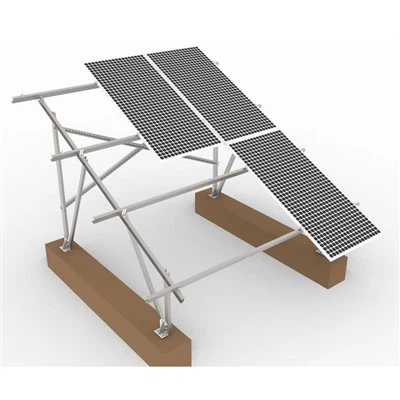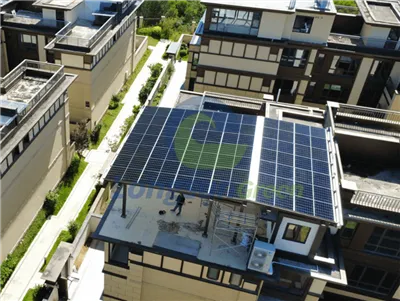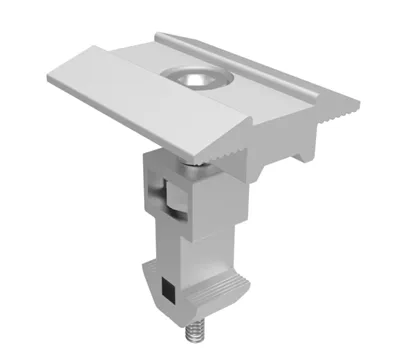


The composition of solar accessories mainly includes the following parts:
Solar cell: This is the core component that converts light energy into electrical energy. Common cell materials include monocrystalline silicon, polycrystalline silicon, amorphous silicon, gallium arsenide and copper indium selenide. Cells convert photon energy into electrical energy through the photoelectric effect.
Tempered glass: Low-iron ultra-white velvet tempered glass is usually used, which has high light transmittance and weather resistance, and can protect the cells from the influence of the external environment.
Packaging materials: Such as EVA and POE, which are used to seal and protect cells, while improving the stability and life of components.
Backplane: Transparent TPT backplane is usually used, which has the characteristics of aging resistance, corrosion resistance and airtightness, and further protects the cells.
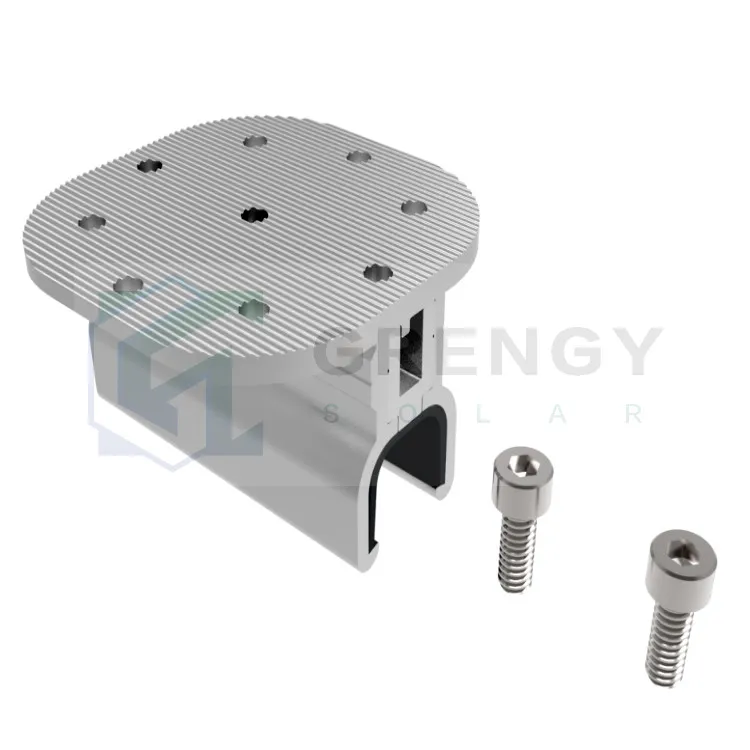
Aluminum alloy frame: Used to fix and protect components, with high strength and mechanical impact resistance.
Interconnection bars and bus bars: Used for series and parallel connection of cells to ensure smooth transmission of current.
Junction box: used to connect the battery cell and external circuit to achieve the output and management of electric energy. Silicone: used to seal and fix the components to ensure the stability and waterproof performance of the components. These accessories are combined together through a specific process to form a complete solar cell component, which is widely used in solar lighting, lamps, household power supply, road transportation, construction and photovoltaic power stations.