

Solar energy is often associated with bright, sunny days. However, real-world installations must perform year-round, including overcast skies, rain, snow, and short winter daylight. Understanding low-light performance is critical for system designers, installers, and end-users.
1. How Much Efficiency Loss Occurs?
Overcast / Rainy Days: Solar panels typically produce 10–25% of their rated capacity under thick cloud cover. Light rain or thin clouds may allow 30–50% output.
Heavy Rain + Dark Clouds: Output can drop to 5–10%, but modern monocrystalline PERC and bifacial modules perform better than older polycrystalline types.
Winter (Snowy / Overcast): On a typical winter day (short daylight, low sun angle, overcast), production ranges from 20–40% of summer peak. With snow cover blocking panels, output may approach zero until snow clears.
Key takeaway: Even in "bad" weather, solar still generates useful electricity – just less.
2. What Determines Low-Light Performance?
| Factor | Impact |
|---|---|
| Panel technology | Monocrystalline PERC > Polycrystalline > Thin-film (in low light) |
| Bifacial modules | Capture reflected light from ground/snow, boosting winter output by 5–15% |
| Tilt angle | Steeper angles (50–60°) shed snow faster and capture low winter sun better |
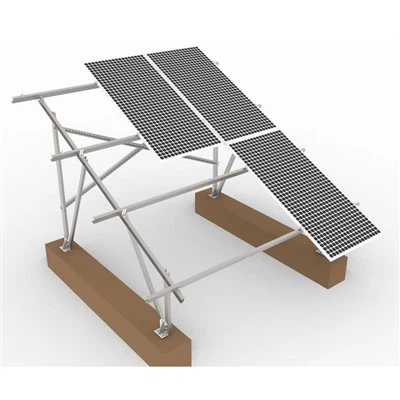
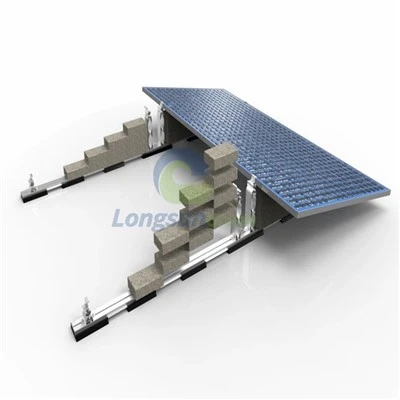
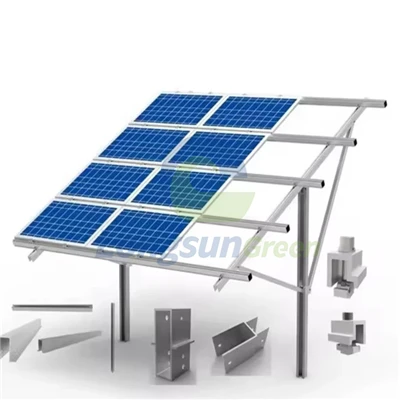
| Mounting structure | Raised, open designs (like Longsun Green's) reduce snow accumulation and shading |
| Inverter quality | Good MPPT (Maximum Power Point Tracking) extracts more power under fluctuating light |
3. Practical Data: Monthly Variation Example
In Central Europe (e.g., Germany, Slovenia):
June (sunny): 100% reference output
December (overcast, short days): 20–30% of June output
A rainy week in autumn: Daily production ~15–25% of a sunny summer day
Yet, an optimized system still covers a significant portion of household base load even in winter.

4. Positive Perspective: Why Low-Light Still Matters
Grid independence: Even 10–20% output reduces battery drain and grid draw.
Snow cleaning effect: Light reflects off snow onto bifacial modules – sometimes boosting rear-side gain.
Rain cleaning: Rain naturally washes dust off panels, improving subsequent sunny-day performance.
Technology trend: TOPCon and HJT cells now offer even better low-light response (down to 50–100 W/m² irradiance).
5. How Longsun Green Helps You Maximize Low-Light Performance
As a dedicated solar mounting structure manufacturer, Longsun Green ensures your panels stay optimally positioned – rain or shine.
Optimized tilt design for winter sun angle and snow shedding
Elevated structures to avoid ground shading and snow cover
Corrosion-resistant coatings for rainy, humid climates
Custom solutions for bifacial modules (minimizing rear-side shading)
👉 We don't make the panels – but we make them work better, everywhere, every day.