

This summer's heatwave has propelled UK solar power to new heights, with the technology generating 29% of the country's electricity at noon on a July day-a clear sign of solar's growing dominance in the nation's energy mix.
Cleve Hill: Britain's Largest Solar Farm in Action
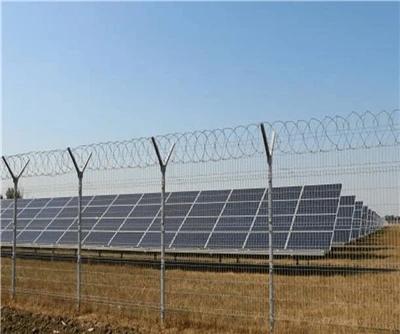
At the heart of this expansion lies Cleve Hill, the UK's largest solar farm, located near Faversham in Kent. Spanning 800 acres with 560,000 panels, the facility quietly delivers power to the grid, with two-thirds of its output contracted to Tesco. Owned by clean energy infrastructure fund manager Quinbrook, the site also includes a battery storage plant and 138 acres dedicated to biodiversity initiatives, such as reed beds and wildlife corridors.
The project, approved six years ago as the first solar farm designated a nationally significant infrastructure project, has been a lightning rod for debate. While construction disruption has subsided-peak activity involved 800 workers and up to 40 lorries daily, now reduced to just eight maintenance staff-local opposition persists over the transformation of rural land into an industrial-scale energy site.
Economic Advantages Amid Grid Challenges
Despite controversy, solar remains a cost-effective generation source. Cleve Hill produces electricity at approximately £63 per megawatt-hour, undercutting gas-fired stations (including carbon charges) and recent offshore wind contracts. This economic competitiveness, bolstered by government price guarantees, continues to attract investment, with Quinbrook already acquiring a similar-sized project in the East Midlands slated for 2028.
In February, the UK government awarded contracts for 4.9 GW of new solar farms-equivalent to roughly 13 Cleve Hill projects-signaling robust policy support for the sector.
Grid Balancing and the Solar Challenge
However, the rise of solar introduces new complexities for grid management. The National Energy System Operator (Neso) has highlighted growing difficulties in balancing the network amid summer volatility in renewable generation. Solar's variable output-especially during peak daylight bursts-can pull national demand below minimum levels required for grid stability, raising concerns about potential blackouts similar to those experienced in Spain last year.
Rooftop vs. Ground-Mount: An Ongoing Debate
Critics, including local politicians, argue that solar panels should primarily occupy rooftops of warehouses and commercial buildings rather than rural landscapes. Rooftop capacity is indeed expanding at an estimated 1.5 GW annually, according to trade group Solar Energy UK. Yet ground-mounted solar farms offer distinct advantages, including economies of scale and direct high-voltage grid connections-features that distributed rooftop systems cannot easily replicate.
Cleve Hill's location adjacent to an existing transmission station linked to offshore wind infrastructure allows seamless grid integration through high-voltage cables, illustrating the strategic value of well-sited large-scale solar.

Looking Ahead
The UK's traditional reliance on fossil fuels means these grid-balancing challenges are unprecedented. As solar capacity continues to grow, the nation must navigate new trade-offs between affordable energy, environmental stewardship, local concerns, and national infrastructure priorities. While peace has returned to Cleve Hill, the broader debate over solar's role in the UK's energy future is far from settled.
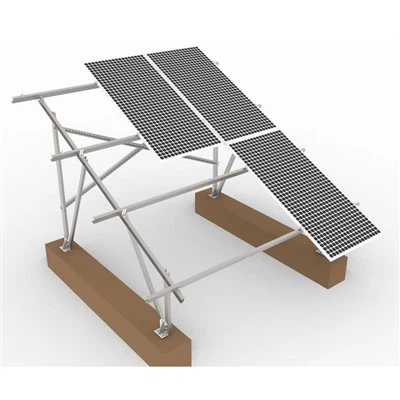
Longsun Green – As a specialized manufacturer of solar mounting structures, Longsun Green delivers robust, reliable, and precision-engineered support systems for photovoltaic installations worldwide. From utility-scale solar farms to residential balcony systems, our mounting solutions are designed for durability, ease of installation, and long-term performance. We are proud to support the global energy transition with high-quality solar infrastructure products.
Media Contact: amber@longsungreen.com
Website: www.longsungreen.com