

Renewable energy infrastructure and biodiversity conservation may not be mutually exclusive, according to recent findings from the University of Greifswald. Researchers have discovered that solar panels installed on rewetted peatlands can create unique habitats for bird species while generating clean energy and potentially reducing carbon emissions.
This emerging land-use approach combines climate action with ecological restoration. The study, published in Ecological Solutions and Evidence, examined bird diversity at a solar park located on a rewetted peatland site in Northern Germany. The site was surrounded by intensively farmed and drained peatlands, which are a major source of greenhouse gases.
The research team found that the solar park was home to several threatened bird species and an unusual mix of birds typically associated with agricultural fields, wetlands, and even woodlands.
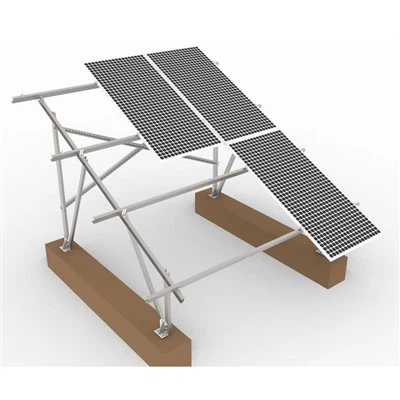
Hanna Rae Martens, a peatland ecologist at the university and lead author of the study, observed that wetland species such as the reed bunting and the endangered meadow pipit have returned to the rewetted area. These birds were seen using the solar panel structures as perches-sitting on the panels, flying off to catch insects, and then returning.
The study also recorded species not typically found in peatlands, including the Eurasian tree sparrow and tree pipit, suggesting that the solar park provides a broader ecological benefit than initially expected.
Globally, drained peatlands account for approximately 5% of greenhouse gas emissions. In Germany, 95% of peatlands are degraded, primarily due to drainage and agricultural use. The UK faces a similar challenge, with 80% of its peatlands in poor condition.
Rewetting drained peatlands can significantly reduce emissions and restore biodiversity, but two major obstacles exist. First, once rewetted, most common crops can no longer be grown on the land. Second, deeply degraded peatlands may take decades to recover fully.
The study site is among the world's first to install solar panels on rewetted peatlands. Under a German government program, landowners receive payments to install solar infrastructure and rewet their land, providing an alternative income source while supporting environmental goals.
The researchers note that this is currently one of only about five such sites worldwide, and more research is needed to determine whether similar results can be expected elsewhere.
Martens emphasized that the findings do not suggest converting all degraded peatlands into solar parks. Healthy peatlands or those with high natural restoration potential should be protected. Instead, solar parks should be viewed as one possible tool to support peatland rewetting, particularly in areas where the alternative is drained, intensively managed land.
Between March and October 2024, the research team used audio recorders and machine learning to compare bird diversity at the rewetted solar park site with nearby drained peatlands used for livestock grass production.
The research team is now planning to expand the study to include more locations, monitor other species such as bats and insects, and identify which design elements of solar park structures can be optimized to further enhance biodiversity.
Source: University of Greifswald / Ecological Solutions and Evidence

Longsun Green – Your Trusted Partner in Solar Mounting Solutions
As the global solar industry continues to evolve alongside environmental research, Longsun Green remains committed to providing high-quality, reliable solar mounting systems for all project types. Whether for ground, rooftop, or specialized applications, our engineering team delivers durable and cost-effective solutions.
📧 Media Contact: amber@longsungreen.com
🌐 Website: www.longsungreen.com