

1. Introduction
Installing a photovoltaic (PV) system on a building is not just about panel efficiency or inverter selection. The most critical yet often overlooked factor is whether the existing building structure and roof can safely support the additional load.
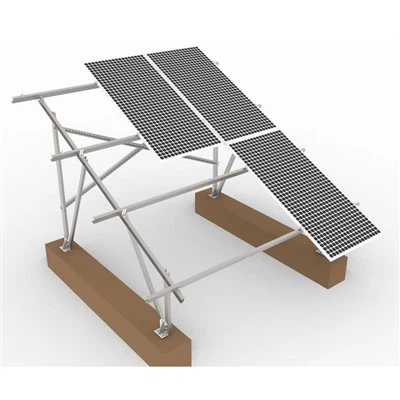
This guide provides a practical, comprehensive overview of structural and roof load requirements for PV systems, covering principles, applications, product advantages, and real-world considerations.
2. Why Structural Load Matters
A typical rooftop PV system adds 12–20 kg per square meter (approximately 2.5–4 lbs per square foot) of dead load to the roof. For a 100 m² array, this equals 1.2 to 2.0 tons of additional weight.
Without proper structural assessment, risks include:
Roof collapse or deformation
Cracking of concrete or tile roofs
Compromised waterproofing
Wind uplift failure
Safety hazards to occupants and maintenance personnel
Key Principle: The building must be designed or evaluated to support dead load (PV system weight) + live load (snow, maintenance workers) + wind load simultaneously.
3. Roof Load Types Explained
| Load Type | Description | Typical Value (Example) |
|---|---|---|
| Dead Load | Static weight of PV modules, rails, clamps, and cables | 0.15–0.25 kN/m² |
| Live Load | Temporary weight of workers, tools during installation/maintenance | 1.0–1.5 kN/m² |
| Snow Load | Weight of accumulated snow (varies by region) | 0.5–3.0 kN/m² |
| Wind Load | Uplift and pressure forces from wind | 0.5–2.5 kN/m² (depending on height & zone) |
| Seismic Load | Horizontal forces during earthquakes (region-dependent) | Varies by seismic zone |
Total combined load on the roof structure typically ranges from 2.0 to 5.0 kN/m² depending on local codes and climate.

4. Roof Types and Specific Requirements
4.1 Concrete Flat Roofs
Common in: Commercial buildings, industrial plants, apartment complexes
| Requirement | Detail |
|---|---|
| Minimum thickness | ≥100 mm reinforced concrete |
| Compressive strength | ≥C20 (20 MPa) |
| Waterproofing layer | Must be protected from ballast or mounting penetrations |
| Ballast option | Concrete blocks (15–25 kg per block) to hold racks without penetration |
| Penetration option | Chemical anchors or through-bolts with proper flashing |
4.2 Metal Sheet Roofs (Trapezoidal / Corrugated)
Common in: Warehouses, factories, agricultural buildings
| Requirement | Detail |
|---|---|
| Sheet thickness | ≥0.5 mm (preferably 0.6–0.8 mm) |
| Purlin spacing | Typically 1.0–1.5 meters |
| Clamp type | Special trapezoidal clamps with EPDM rubber padding |
| Load transfer | Clamps transfer load directly to purlins, not just sheet metal |
| Wind resistance | Clamps must resist ≥3.0 kN uplift force |
4.3 Clay/Concrete Tile Roofs
Common in: Residential villas, Mediterranean-style buildings
| Requirement | Detail |
|---|---|
| Tile condition | No cracks, properly bedded |
| Underlayment | Must have waterproof membrane beneath tiles |
| Hook type | Adjustable roof hooks replacing one tile or sliding under tiles |
| Load point | Hook must transfer load to rafter (not just tile batten) |
| Tile replacement | Remove and replace tiles carefully; spare tiles recommended |
4.4 Asphalt Shingle Roofs
Common in: North American residential buildings
| Requirement | Detail |
|---|---|
| Deck thickness | ≥15 mm plywood or OSB |
| Rafter spacing | 400–600 mm typical |
| Flashing | L-foot brackets with aluminum flashing |
| Sealant | Butyl sealant under flashing |
| Shingle resealing | Lift and reseal shingles properly after installation |
5. Load Calculation & Structural Assessment Process
Step 1: Document Collection
Original building structural drawings
Geotechnical report (for ground-mounted systems)
Local wind and snow load codes
Step 2: Site Inspection
Check for existing cracks, deflection, water damage
Verify rafter/truss spacing and dimensions
Assess roof age and remaining service life
Step 3: Load Calculation
Calculate total PV system weight (modules + racking + cables)
Apply safety factor (typically 1.5 for dead load, 1.6 for live/wind load)
Compare with building's original design capacity
Step 4: Reinforcement (if needed)
Add steel beams or columns
Install load distribution plates
Reduce array size or relocate to stronger roof areas
Step 5: Professional Sign-off
Structural engineer's stamp
Building permit (where required)

6. Product Advantages – Longsun Green Mounting Solutions
Longsun Green offers engineered mounting systems that minimize structural impact while maximizing safety.
| Feature | Benefit |
|---|---|
| Lightweight aluminum rails | Reduce dead load by 30% vs steel |
| Adjustable height | Accommodate uneven roofs without extra ballast |
| Pre-assembled components | Faster installation, less roof time |
| Corrosion-resistant coatings | SUS304 / hot-dip galvanized / anodized |
| Non-penetrative options | Ballasted or adhesive-mounted systems for flat roofs |
| Seismic-rated designs | Available for earthquake zones |
| 15-year warranty | Long-term reliability |
All Longsun Green products are ISO 9001, SGS, and CE certified.
7. Application Scenarios
| Scenario | Recommended Solution |
|---|---|
| Factory with trapezoidal roof | Non-penetrative clamps + aluminum rails |
| School with flat concrete roof | Ballasted racking system (no drilling) |
| Villa with clay tiles | Stainless steel adjustable hooks |
| Carport structure | Custom steel structure with ≤20 kg/m² added load |
| Historic building (sensitive roof) | Adhesive-mounted flexible panels (ultra-light) |
8. Frequently Asked Questions (FAQ)
Q1: Does every rooftop PV system require a structural assessment?
Yes. Even for small residential systems, a basic assessment is strongly recommended to avoid long-term damage.
Q2: Can I install PV on a 20-year-old roof?
It depends. If the roof has 5+ years of remaining life and no structural issues, yes. Otherwise, re-roofing before PV installation is advised.
Q3: What happens if the roof fails the load test?
You have three options: reinforce the structure, reduce system size, or choose lighter components (e.g., aluminum racks, lightweight modules).
Q4: Does Longsun Green provide structural calculations?
Yes. We provide detailed mounting layout plans and load calculations for each project upon request.
Q5: How much extra weight does a Longsun Green racking system add?
Approximately 3–5 kg/m² for aluminum rails + clamps, depending on configuration.
9. Conclusion
Understanding structural and roof load requirements is not optional – it is the foundation of a safe, durable, and code-compliant PV system.
Key takeaways:
Always perform a structural assessment before installation
Different roof types require different mounting strategies
Lightweight, non-penetrative solutions reduce structural risk
Professional engineering sign-off protects all stakeholders
Longsun Green combines engineering expertise, high-quality materials, and practical experience to deliver mounting solutions that work with your building – not against it.
Contact Longsun Green
For structural consultations, product quotes, or technical datasheets:
📧 Media Contact: amber@longsungreen.com
🌐 Website: www.longsungreen.com
Longsun Green – Professional Solar Mounting Structure Manufacturer