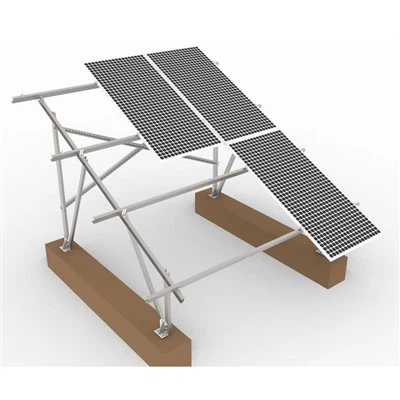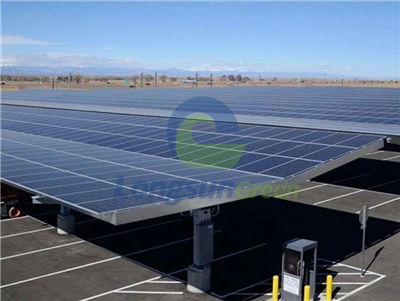


The global photovoltaic market is entering a pivotal phase in 2026, shaped by policy shifts, tax credit cliffs, and new manufacturing incentives. For project developers, EPC contractors, and investors, understanding the complex landscape of subsidies and support mechanisms is critical to maximizing returns. At Longsun Green, a premier manufacturer of solar mounting structures, we believe that a robust support system-both structural and financial-is the foundation for successful solar assets. This article provides a multi-angle analysis of PV incentive policies across key global markets.
1. Structural Overview: Types of PV Incentives
Before examining specific markets, it is essential to understand the primary categories of PV support mechanisms:
| Incentive Type | Mechanism | Application Scenario |
|---|---|---|
| Investment Tax Credit (ITC) | Reduces upfront capital costs via tax deduction | Utility-scale, C&I, residential |
| Production Tax Credit (PTC) | Per-kWh tax credit for electricity generated | Utility-scale projects |
| Feed-in Tariffs (FiT) | Fixed premium rate for solar electricity fed into grid | Early-stage markets, residential |
| Net Metering | Offset electricity bills with exported solar power | Residential, small C&I |
| Capital Subsidies / Direct Grants | Direct cash rebates for system installation | Residential, C&I rooftop |
| Manufacturing Incentives (PLI/CISAF) | Support for domestic manufacturing capacity | Solar component producers |
| Green Loans / Low-Interest Financing | Preferential loan terms for solar projects | All segments |
2. United States: The OBBBA Cliff and Tax Credit Evolution
The U.S. market is currently defined by the One Big Beautiful Bill Act (OBBBA), which has significantly tightened eligibility for solar tax credits established under the Inflation Reduction Act (IRA).
Key Policies:
Federal Investment Tax Credit (ITC): The 30% ITC remains available, but qualification rules have changed. For projects >1.5 MW, the previous "5% Cost Safe Harbor" has been eliminated and replaced with the Physical Work Test.
Physical Work Test: To lock in full tax credits, utility-scale solar projects must demonstrate that "physical work of a significant nature" has begun on-site by July 4, 2026. Projects that commence after this date must be placed in service by December 31, 2027.
Documentation Requirements: Developers must now maintain audit-ready documentation, including geotagged photo logs, unredacted supply agreements, and third-party engineer reports.
Small Project Exception: Projects ≤1.5 MW retain the 5% safe harbor, though anti-stacking rules prevent project fragmentation.
Domestic Content and FEOC Compliance: Projects must meet Material Assistance Cost Ratio (MACR) requirements, ensuring 40% of manufactured product costs come from non-Foreign Entity of Concern sources.
Application Scenarios:
Utility-scale: Prioritize projects with interconnection and physical work commenced before July 2026.
Residential: Homeowners benefit from the 30% ITC, either through direct ownership or via lease/PPA structures where the tax credit is monetized by the system owner.

3. European Union: Cross-Border Tenders and Manufacturing Support
The EU is advancing its clean energy transition through a combination of cross-border cooperation mechanisms and domestic manufacturing incentives.
Key Policies:
Cross-Border Solar Tenders (RENEWFM): The European Commission has launched its third cross-border solar tender, with €54.9 million in investment support for ground-mounted PV projects in Bulgaria (co-located with BESS) and Finland.
Project size: 10 MW to 100 MW
Application deadline: September 1, 2026
Commercial operation deadline: March 1, 2029
Clean Industrial Deal State Aid Framework (CISAF): The EU has approved multiple national aid programs to boost domestic clean technology manufacturing:
Luxembourg: €500 million in direct grants for solar, wind, battery, and heat pump manufacturing (valid through 2030)
Germany: €3 billion for clean technology manufacturing
Greece: €400 million for clean tech manufacturing
Spain: €355 million for renewable manufacturing (solar PV, wind, storage)
Net Metering Phase-Out (Netherlands): The Netherlands is phasing out net metering by 2027, driving a massive shift toward PV + storage systems. In 2025 alone, the country added 1.55 GWh of new storage capacity, with households accounting for 860 MWh-a 260% year-on-year surge.
Application Scenarios:
Ground-mounted projects: Eligible for cross-border tenders with BESS co-location requirements.
Manufacturers: Can access direct grants under CISAF for expanding production capacity within the EU.
Residential: Dutch homeowners increasingly pair storage with PV to maintain self-consumption benefits post-net metering.
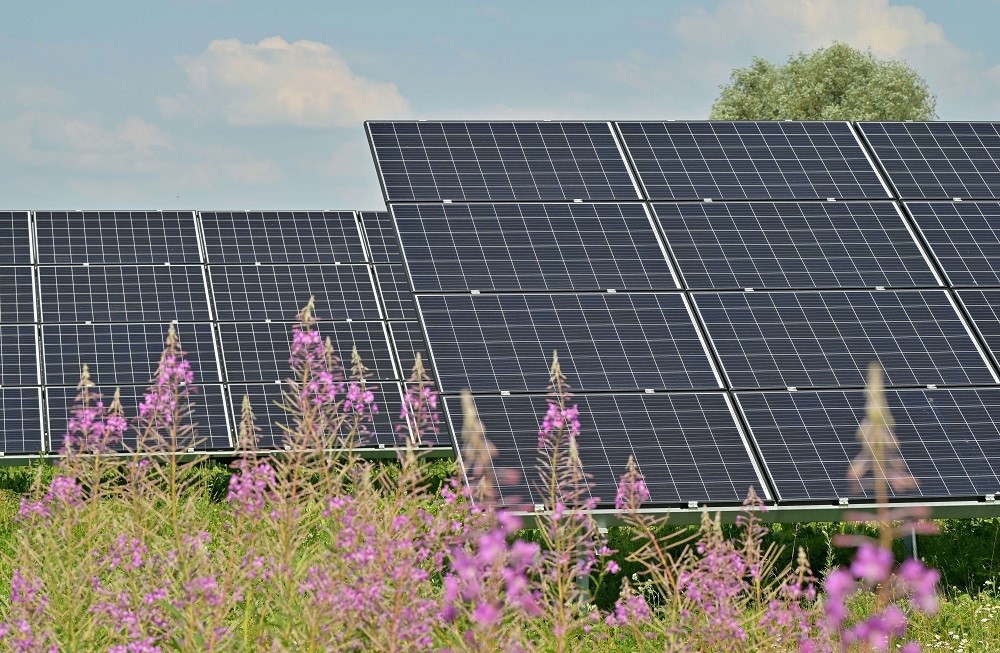
4. Asia-Pacific: Manufacturing-Linked Incentives and Net Metering
Asia-Pacific markets are leveraging a mix of manufacturing incentives and consumer-facing support mechanisms.
Key Policies:
China: The government continues to publish regular lists of renewable energy projects eligible for feed-in tariff subsidies. The 2026 third batch included 135.5 MW of centralized projects and 576.7 MW of capacity changes. The National Development and Reform Commission (NDRC) maintains a pricing framework that supports solar development while transitioning toward competitive bidding.
India: The Production-Linked Incentive (PLI) scheme has significantly expanded domestic solar manufacturing capacity. The program supports the entire supply chain from polysilicon to modules, with a focus on reducing import dependence and building integrated manufacturing capabilities.
Pakistan: The "Prosumer Regulations 2025" will replace the 2015 Net Metering Regulations, restructuring on-grid electricity settlement for PV systems under 1 MW. While the new framework includes price adjustments, it aims to streamline the regulatory environment for solar prosumers.
Japan: The country has partially terminated its feed-in tariff policy for renewable electricity to reduce public cost burdens, shifting toward a market-driven approach.
Application Scenarios:
Manufacturing: PLI in India and manufacturing-linked incentives across the region support local production.
Distributed Generation: Net metering frameworks in Pakistan and other Southeast Asian markets enable residential and C&I solar adoption.
5. Emerging Markets: Direct Grants and Energy Security
Emerging economies are increasingly using direct subsidies and strategic investments to accelerate solar deployment.
Key Policies:
Hungary: A 100 billion forint (approx. €250 million) residential storage subsidy program offers non-refundable grants of 2.5 million forints (approx. €6,500) for installing 10 kWh battery systems-covering approximately 80% of installation costs.
Ireland: The residential solar subsidy remains at a maximum of €1,800, with tiered rates: €700/kW for systems ≤2 kW and €200/kW for 2–4 kW systems.
Austria: The country is committed to achieving 100% renewable electricity by 2030, creating stable demand for high-quality mounting solutions capable of withstanding alpine snow loads and variable wind conditions.
Application Scenarios:
Residential storage: Hungary's high subsidy rates create significant opportunities for integrated PV+storage solutions.
High-performance infrastructure: Austria's demanding environmental conditions require durable mounting systems certified for extreme weather.
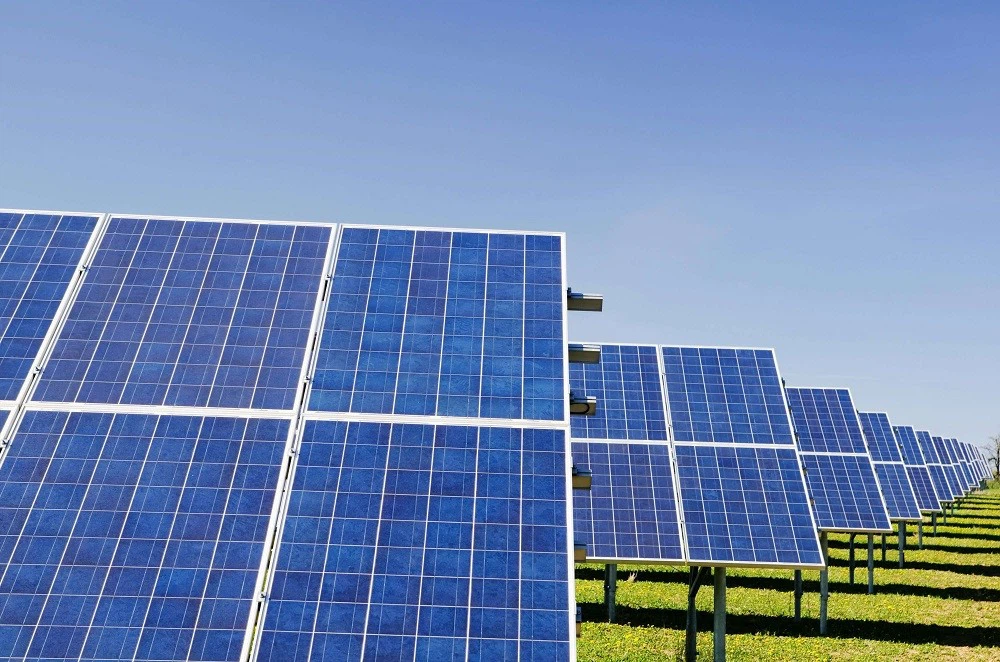
6. Product Advantage: Longsun Green's Role in Incentive-Driven Markets
Understanding and accessing incentives is only half the equation; project success also depends on selecting components that satisfy eligibility requirements and deliver long-term performance.
Why Longsun Green Matters:
Compliance-Ready: Our mounting structures are engineered to meet international standards (AS/NZS1170, JIS C 8955) and support project documentation requirements for subsidy applications.
Durability for Long-Term Incentives: With a physical lifespan exceeding 30 years and corrosion resistance certified for C3 to C5 environments, our systems ensure sustained performance throughout incentive periods.
Domestic Content Support: For markets with local content requirements, Longsun Green's manufacturing capabilities can support compliance strategies.
Installation Efficiency: Pre-assembled components reduce on-site labor time by up to 30%, helping developers meet tight construction deadlines for tax credit qualification.
7. Research Significance: Strategic Implications for Stakeholders
The evolving global incentive landscape presents both opportunities and risks:
For Developers: The shift from safe harbors to physical work tests in the U.S. demands earlier project execution and meticulous documentation. Interconnection delays now directly threaten tax credit eligibility.
For EPC Contractors: Markets like the Netherlands are rapidly transitioning from pure PV to PV+storage, requiring new technical competencies and supply chain coordination.
For Investors: Manufacturing incentives in the EU (CISAF) and India (PLI) are creating new investment opportunities in domestic supply chains.
For Manufacturers: The push for local content and FEOC compliance requires strategic positioning of production facilities.
The fundamental economics of solar remain strong, with levelized cost of energy (LCOE) for solar now competitive with fossil fuels even without subsidies. However, navigating the incentive landscape effectively remains essential for optimizing project returns and securing competitive advantages.