

1. System Structure & Working Principle
A standard photovoltaic (PV) system consists of:
Solar panels (convert sunlight to DC electricity)
Inverters (convert DC to AC for household/grid use)
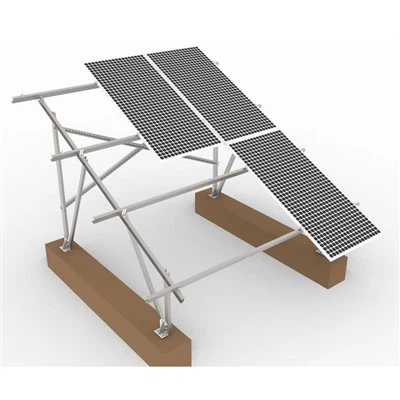
Mounting structures (e.g., from Longsun Green – roof, ground, or carport racks)
Cables & monitoring devices
Working principle: Panels absorb solar radiation → DC power generated → Inverter converts to AC → Power used on-site, stored in batteries, or exported to the grid.
2. What Is Payback Period?
The payback period is the time needed for cumulative savings (electricity bill reduction + feed-in tariff income) to equal the initial system investment.
Typical range: 4–8 years for residential systems, 3–6 years for commercial/industrial (C&I) projects (depending on sunlight, electricity price, and local policies).
3. How to Calculate ROI & Payback – Step by Step
Step 1 – Total Investment (I)
= Panel cost + inverter cost + mounting structure cost + installation + permits
Step 2 – Annual Benefit (B)
= (Annual generation × Self-consumption rate × Retail electricity price) + (Annual generation × Export rate × Feed-in tariff)
Example:
10 kW system generates 12,000 kWh/year.
Self-consumption: 70% × 12,000 × $0.25/kWh = $2,100
Export: 30% × 12,000 × $0.08/kWh = $288
Total annual benefit = $2,388
Step 3 – Payback Period (years)
= I ÷ B
Example: Investment $12,000 ÷ $2,388/year ≈ 5.0 years
Step 4 – ROI over system life (25–30 years)
= (Total lifetime benefit – Investment) ÷ Investment × 100%
Example: ($2,388 × 25 – $12,000) ÷ $12,000 = 397% ROI

4. Application Scenarios
| Scenario | Typical Payback | Key Advantage |
|---|---|---|
| Residential rooftop | 5–7 years | Hedge against rising utility rates |
| Commercial rooftop | 3–5 years | Daytime high load → high self-consumption |
| Ground-mounted farm | 4–6 years | Land dual-use (agrivoltaics) |
| Solar carport | 4–6 years | Shade + charging + revenue |
| Industrial facility | 3–5 years | Large flat roof, easy installation with Longsun Green mounting systems |
5. Why Payback Is Getting Shorter
Falling component costs – Solar panel prices down ~85% in a decade
Higher electricity prices – Makes self-consumption more valuable
Better mounting solutions – Longsun Green's lightweight, pre-assembled structures reduce installation labor by 30%
Battery integration – Increases self-consumption to 80–90%
Government incentives – Tax credits, accelerated depreciation, net metering
6. Practical Tips for Maximum Returns
Maximize self-consumption – Shift heavy loads (EV charging, water heating) to daytime.
Choose the right mounting system – Durable, corrosion-resistant aluminum or galvanized steel (Longsun Green offers 15-year warranty).
Monitor performance – Use smart inverters with real-time tracking.
Clean panels periodically – Dust can reduce output by 5–15%.
7. Conclusion – A Strong Investment Case
With payback periods now under 6 years and system lifespans exceeding 25 years, solar PV delivers 4–6x return on investment. For businesses and homeowners alike, it is one of the lowest-risk, highest-yield infrastructure upgrades available today.
Longsun Green – as a dedicated solar mounting structure manufacturer – helps accelerate payback by reducing BOS (balance of system) costs and installation time. Our engineered solutions fit roofs, ground, and carports worldwide.