

As the global demand for renewable energy surges, photovoltaic (PV) systems have become a cornerstone of sustainable development. However, the long-term profitability of a solar project relies heavily on understanding its operational longevity and maintenance strategy. At Longsun Green, a premier manufacturer of solar mounting structures, we believe that a stable support system is the foundation for maximizing asset value. This article provides a multi-angle analysis of PV system durability and upkeep.
1. Structural Anatomy & Functional Principle
A standard PV system consists of three core components:
PV Modules: Convert sunlight into direct current (DC) electricity.
Inverters: Convert DC into alternating current (AC) for grid or load use.
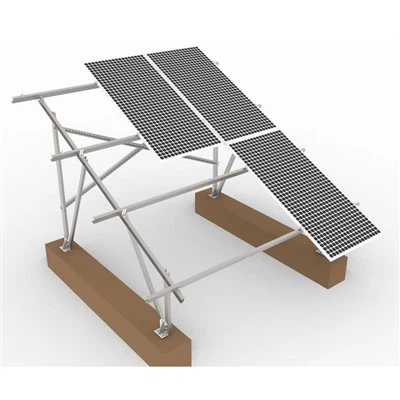
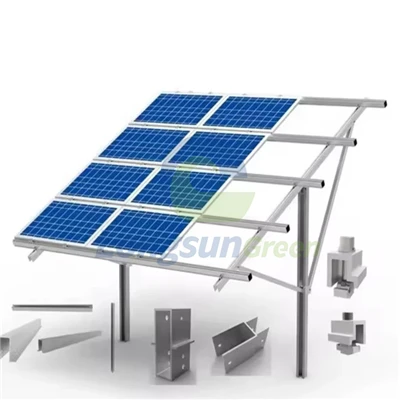
Mounting Structures: The mechanical backbone that secures the array to rooftops or ground. Longsun Green specializes in high-strength aluminum alloy and hot-dip galvanized steel brackets, designed to withstand wind loads, snow loads, and corrosion, ensuring the system remains stationary and safe for decades.
2. Service Life (Design Lifespan)
PV Modules: Most high-quality modules have a linear performance warranty of 25 to 30 years. While they continue producing electricity beyond this period, the degradation rate typically increases from 0.5% to 0.8% annually.
Inverters: String inverters usually require replacement every 10 to 15 years, whereas microinverters can last up to 20 to 25 years.
Mounting Structures: As the structural foundation, high-quality brackets like those from Longsun Green have a physical lifespan exceeding 30 to 50 years, provided they feature proper anti-corrosion treatments (e.g., anodized aluminum or galvanized steel).

3. Maintenance Cycles
To ensure optimal performance, a tiered maintenance schedule is recommended:
Monthly (Visual Inspection): Quick visual checks for obvious dirt, shading from new vegetation, or visible damage to cables.
Quarterly/Semi-Annual (Preventive Maintenance): Professional inspection of bolted connections in the mounting structure, torque verification, junction box security, and inverter thermal imaging to detect hot spots.
Annual (Comprehensive Audit): Full system performance analysis, insulation resistance testing, and structural integrity checks for corrosion or loose foundations.
4. Daily Maintenance Costs
The operational expenditure (OPEX) for PV systems is relatively low compared to traditional power plants.
Residential Systems: Typically range from $0.01 to $0.015 per watt annually. For a 10kW system, this equates to roughly $100–$150/year, primarily for cleaning and inverter service.
Commercial & Utility Systems: Costs range from $3,000 to $8,000 per MW per year.
Cleaning Costs: In dusty areas, cleaning is the most frequent expense. Automated robotic cleaning systems can reduce labor costs to $0.05–$0.10 per kW per cleaning cycle.
5. Application Scenarios
Residential Rooftops: Requires lightweight, aesthetically pleasing mounting solutions with waterproofing capabilities.
Industrial & Commercial (I&C) Flat Roofs: Utilizes ballasted or non-penetrating systems to preserve roof membranes.
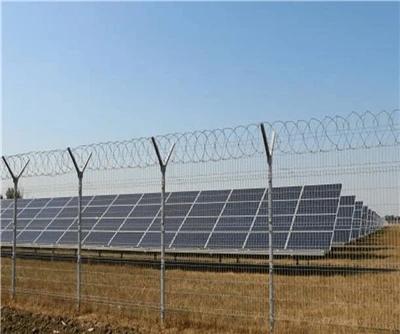
Utility-Scale Ground Mounts: Demands high-strength steel piles or concrete foundations with fast installation speeds to reduce civil engineering costs.
Agrivoltaics: Combines farming with solar, requiring elevated mounting structures with large spans to allow agricultural machinery to pass.
6. Product Advantages (Longsun Green)
Given the critical role of mounting structures, Longsun Green focuses on "invisible" quality:
Precision Engineering: Pre-assembled components reduce on-site installation time by 30%.
Corrosion Resistance: Strict adherence to ISO 9223 standards for C3 to C5 corrosion environments ensures longevity.
Compatibility: Universal rail designs compatible with all major module brands (Jinko, Trina, LONGi, etc.).
Cost-Effectiveness: Optimized aluminum profiles reduce material waste while maintaining structural rigidity.
7. Research Significance
Understanding the lifecycle of mounting structures is crucial for lowering the Levelized Cost of Electricity (LCOE). As the industry moves toward 30-year-plus module lifespans, the mounting system must not be the "weak link." Longsun Green is dedicated to bridging the gap between module durability and structural reliability, ensuring that the physical infrastructure matches the financial model of long-term asset holding.