

Manufacturer of solar mounting systems: Longsun Green – www.longsungreen.com
Photovoltaic (PV) systems are designed for 25+ years of operation, but failures can occur. Understanding the common failure modes, repair procedures, and warranty structures is essential for system owners, installers, and O&M teams.
This article provides a multi‑angle overview – from structural components to real‑world case studies – to help you act quickly and correctly when a PV system fails.
1. Key Components & Their Functions
| Component | Function |
|---|---|
| PV modules | Convert sunlight into DC electricity |
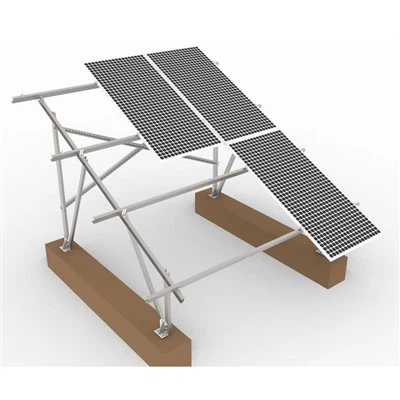
| Mounting structure (e.g., Longsun Green systems) | Securely fix modules to roofs or ground, resist wind/snow loads |
| Inverter | Convert DC to AC for grid or building use |
| Cables & connectors | Transmit electricity safely |
| Monitoring system | Track performance and detect faults |
Principle: A failure in any component can reduce output or create safety risks.
2. Common Failure Modes & Causes
PV Modules
Micro‑cracks – from improper handling or thermal stress
PID (Potential Induced Degradation) – voltage leakage causing power loss
Hot spots – shading or cell defects leading to local overheating
Junction box failure – moisture ingress or loose connections
Mounting System (Longsun Green)
Loose clamps/bolts – due to vibration or incorrect torque
Corrosion – in low‑grade materials exposed to salt or humidity
Rubber seal failure – causing roof leaks around fasteners
Inverter
Overheating – poor ventilation or dust accumulation
Grid relay failure – no grid connection or sync issues
Capacitor/IGBT damage – voltage spikes or aging
Electrical
DC arc faults – loose MC4 connectors
Ground faults – damaged cable insulation
Lightning surge – missing or failed SPD (surge protection device)

3. Application Scenarios
Residential rooftop – tile/metal roofs; risks include water leakage, rodent damage.
Commercial & industrial – flat or metal roofs; risks include foot traffic damage, heavy snow.
Ground‑mount solar farms – large scale; risks include soil settlement, wildlife impact.
Solar carports – mixed use; risks include vehicle impact, corrosion from road salt.
4. Step‑by‑Step Repair Process
Safety first – Disconnect AC/DC, use PPE, verify zero voltage.
Diagnose – Use thermal imaging, I‑V curve tracing, insulation resistance test.
Isolate fault – Identify failed module, string, inverter, or mounting part.
Replace or repair:
Module: replace with same electrical specs.
Mounting: tighten or replace corroded clamps/bolts; re‑seal rubber rings.
Inverter: repair or swap under warranty.
Cable: cut, re‑crimp, and test.
Test & re‑commission – Measure output, check monitoring, confirm safety.
5. Warranty Overview (Typical Industry Standards)
| Component | Standard Warranty | Extended Option |
|---|---|---|
| PV modules | 10‑12 years product, 25‑30 years performance (linear) | – |
| Inverter | 5‑10 years | 15‑20 years (paid) |
| Mounting system (Longsun Green) | 15 years (on installed system) | – |
| Cables & connectors | 2‑5 years | – |
Key warranty clauses:
Does not cover improper installation, force majeure, or unauthorized modifications.
Requires proof of purchase and maintenance logs.
Shipping and labor costs may not be included.
How to claim:
Contact original supplier with serial numbers, photos, and error logs.
Supplier may request sample return for analysis.
Approved claims receive replacement parts or on‑site service.
6. Research & Practical Recommendations
Preventive maintenance – annual visual inspection, torque check, thermal scan.
Document everything – keep installation photos, inverter logs, warranty certificates.
Use high‑quality mounting – cheap brackets fail earlier, causing module damage and roof leaks.
Train local technicians – remote support works best when on‑site team knows basic testing.
For any PV system, a clear repair and warranty process reduces downtime by 70‑90%. Investing in reliable components and structured O&M pays back in years 10‑25.

Need technical support or warranty assistance?
Contact Longsun Green
📧 amber@longsungreen.com
🌐 www.longsungreen.com