

As the world accelerates toward a low-carbon future, understanding the core green energy solutions is essential for industry stakeholders.
Introduction
Green energy encompasses power sources derived from natural resources that replenish themselves naturally-sunlight, wind, water, earth's heat, and organic matter. These technologies produce minimal greenhouse gases and offer environmentally friendly alternatives to fossil fuels.
This concise guide examines principal green energy technologies through their functional principles, applications, and key advantages.
Solar Energy: The Versatile Leader
How It Works
Photovoltaic (PV) systems use semiconductor materials (typically silicon) to convert sunlight directly into electricity through the photovoltaic effect. When sunlight strikes a PV cell, photons dislodge electrons, creating an electrical current.
Solar thermal technologies use mirrors or collectors to concentrate sunlight for heating or electricity generation.
Applications
Residential: Rooftop PV systems for home electricity; solar water heaters
Commercial/Industrial: Large rooftop installations offsetting daytime demand
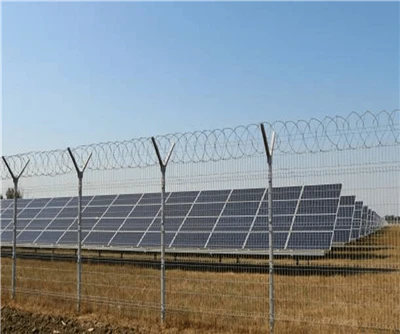
Utility-Scale: Solar farms feeding power directly into transmission grids
Specialized: Remote water pumps, telecommunications, off-grid communities
Key Advantages
Unmatched scalability-from watts to gigawatts
Dramatically declining costs (module prices down ~90% past decade)
Rapid deployment compared to conventional power plants
Minimal environmental impact when building-integrated
Wind Energy: Atmospheric Power
How It Works
Wind turbines capture kinetic energy from moving air. Blades spin a rotor connected to a generator, converting rotational motion into electricity. Modern turbines feature aerodynamic blades optimized for maximum energy capture.
Applications
Onshore Wind Farms: Land-based installations from single turbines to large arrays
Offshore Wind Farms: Ocean-based installations harnessing stronger, consistent winds
Distributed Wind: Smaller turbines serving homes, farms, or communities
Key Advantages
Most mature renewable technology with highest readiness level
Cost-competitive with fossil fuels in many regions
Vast offshore potential (floating turbines accessing deep waters)
High energy yield from modern tall-tower designs
Hydropower: The Established Workhorse
How It Works
Hydropower generates electricity using flowing water's energy. Elevation differences (head) direct water through turbines, spinning generators. Three main facility types exist: conventional dams, pumped storage (acting as giant batteries), and run-of-river systems.
Applications
Large-Scale Dams: Baseload power with flood control and water supply benefits
Small Hydropower: Under 10 MW facilities serving local communities
Pumped Storage: Grid balancing essential for integrating solar and wind
Key Advantages
Reliable, predictable generation unaffected by daily weather
Fast ramp rates ideal for grid flexibility
Multi-decade operational lifespan (50-100+ years)
Inherent energy storage capability
Geothermal: Earth's Internal Heat
How It Works
Geothermal taps heat stored beneath Earth's surface. Power plants use steam or hot water from underground reservoirs to drive turbines. Three configurations dominate: flash steam, dry steam, and binary cycle (organic Rankine cycle) plants.
Applications
Electricity Generation: Utility-scale plants providing baseload renewable power
Direct Use: District heating, greenhouses, aquaculture, industrial processes
Ground-Source Heat Pumps: Efficient year-round building temperature control
Key Advantages
24/7 baseload reliability regardless of weather
Minimal land footprint per megawatt
Reduces imported fuel dependence
Cascading use potential after power generation
Biomass: Organic Matter as Fuel
How It Works
Bioenergy converts organic materials into heat, electricity, and fuels. Main processes include combustion (direct burning), gasification (producing syngas), pyrolysis (thermal decomposition without oxygen), and hydrothermal processing (for high-moisture feedstocks).
Applications
Power Generation: Dedicated biomass plants and co-firing with coal
Combined Heat and Power (CHP) : Maximizing efficiency
Biofuels: Liquid transportation fuels replacing petroleum
Waste Utilization: Agricultural residues, forestry by-products, organic municipal waste
Key Advantages
Carbon-neutral when sustainably managed
Utilizes waste streams otherwise landfilled
Dispatchable generation (operates on demand)
Creates rural jobs in supply chains
Emerging Technologies
Green Hydrogen
Produced by electrolysis using renewable electricity, green hydrogen decarbonizes hard-to-electrify sectors: heavy industry, long-haul transport, and industrial feedstocks.
Hybrid Systems
Combining multiple technologies maximizes reliability: solar-plus-storage addresses nighttime gaps; wind-solar hybrids smooth output; microgrids serve remote communities.
The Mounting Challenge: Supporting Infrastructure
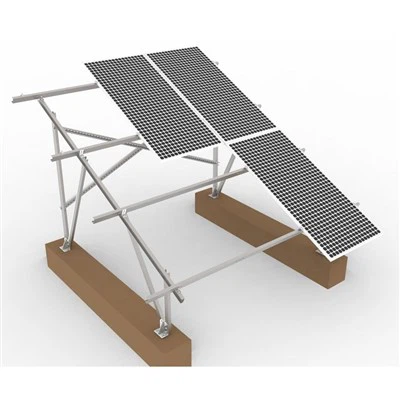
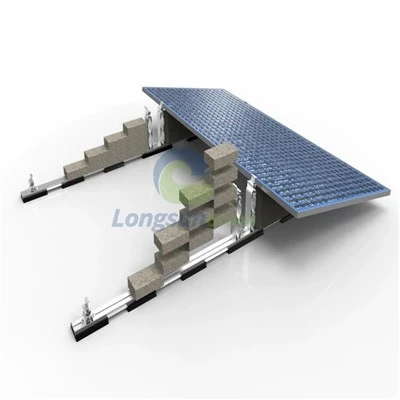
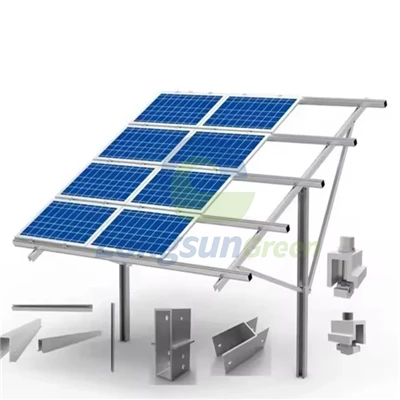
For solar PV, mounting systems are critical components determining long-term performance. Quality solutions must ensure:
Structural integrity for 25+ years (wind, snow, seismic loads)
Material durability in diverse environments (corrosion resistance)
Installation efficiency reducing labor costs
Adaptability to various roof types and ground conditions
Companies like Longsun Green, specializing in solar mounting systems, play an essential enabling role by providing reliable, cost-effective structures that ensure solar projects achieve expected performance and longevity.
Conclusion: A Diversified Future
No single technology will power the sustainable future alone. The renewable transition requires matching each technology's strengths to specific applications:
Solar: Unparalleled scalability, falling costs
Wind: Mature, cost-effective, vast offshore potential
Hydropower: Reliability, grid flexibility
Geothermal: Baseload power, minimal footprint
Biomass: Waste utilization, dispatchable generation
For industry participants, understanding this landscape enables strategic positioning in an increasingly integrated renewable energy marketplace.