

The Future of Sustainable Architecture: A Comprehensive Overview of Colored Photovoltaics
In an era defined by the urgent need for sustainable energy solutions and aesthetic urban integration, colored photovoltaics (PV) have emerged as a transformative technology. Moving beyond the traditional blue-black panels, colored solar modules offer a synergy of functionality and design, opening new avenues for building-integrated photovoltaics (BIPV). As a leader in solar mounting solutions, Longsun Green recognizes this evolution not just as a trend, but as a fundamental shift towards an energy-generating built environment.
1. Structural Design and Functional Principle
At its core, a colored PV module shares the basic principle of converting sunlight into electricity using semiconductor materials, typically silicon. The key innovation lies in the application of specialized coatings or structural modifications to the glass surface or within the cell structure itself.
Thin-Film Filters & Anti-Reflective Coatings: The most common method involves depositing thin, interference-based optical filters on the panel glass. These coatings are engineered to reflect specific wavelengths of light (perceived as color) while allowing others to pass through to the silicon cell for energy conversion.
Structural Color: Advanced techniques involve creating microscopic structures on the surface that diffract light, producing color through physical texture rather than pigment, similar to a butterfly's wing.
Colored Encapsulants: Another approach uses colored ethylene-vinyl acetate (EVA) or polyvinyl butyral (PVB) sheets behind the front glass, tinting the entire module.
While the colored layer necessarily filters some light, leading to a marginally lower efficiency (typically 10-25% relative reduction compared to standard panels), advancements in coating precision and light-management are continuously mitigating this trade-off.
2. Application Scenarios
The versatility of colored PV unlocks applications previously unsuitable for conventional solar panels:
Architectural Facades & Curtain Walls: They can be seamlessly integrated into building envelopes as spandrel glass, cladding, or decorative elements, turning entire skyscrapers into vertical power plants.
Historic Building Renovation & Heritage Sites: Custom-colored panels can mimic traditional roofing materials like terracotta tiles, slate, or copper patina, allowing for sensitive energy upgrades where visual impact is a constraint.
Residential Roofing: Solar tiles and modules in colors matching red, green, grey, or brown roofs enhance curb appeal, overcoming homeowner objections based on aesthetics.
Noise Barriers & Infrastructure: Highway sound barriers and railway sidings can be transformed into productive, colored solar arrays.
Consumer Products & Design Objects: From colored solar carports and pergolas to integrated charging stations and artistic installations.

3. Product Advantages and Value Proposition
Aesthetic Integration: The paramount advantage. Enables architects and designers to incorporate solar energy without compromising visual design goals, promoting "invisible" or decorative sustainability.
Dual-Functionality: Serves as both a building material (roof, facade, shading device) and an energy generator, optimizing space and reducing combined material costs.
Market Expansion: Opens the solar market to design-conscious sectors-high-end residential, commercial real estate, public institutions, and landmark architecture-where aesthetics are non-negotiable.
Branding & Corporate Identity: Companies can incorporate brand colors into their sustainable infrastructure, making a powerful statement about innovation and environmental commitment.
Regulatory Compliance: Facilitates compliance with strict urban planning and conservation area regulations that govern building appearance.
4. Success Cases and Industry Momentum
Globally, colored PV is moving from pilot projects to mainstream adoption:
The SwissTech Convention Center in Lausanne features a stunning facade with dark blue PV panels that blend with the architectural glass.
Several European housing developments now use terracotta-colored solar roofs that are virtually indistinguishable from traditional tiles.
Companies are producing custom-colored solar carports for corporate campuses, matching corporate identity.

5. Synergy with Advanced Mounting Solutions
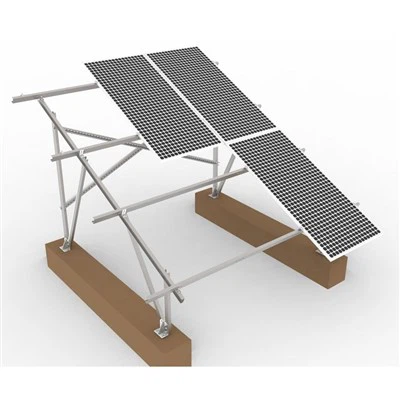
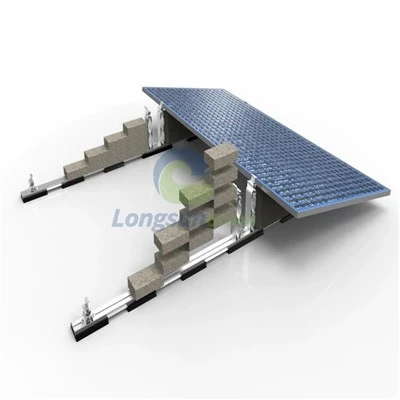
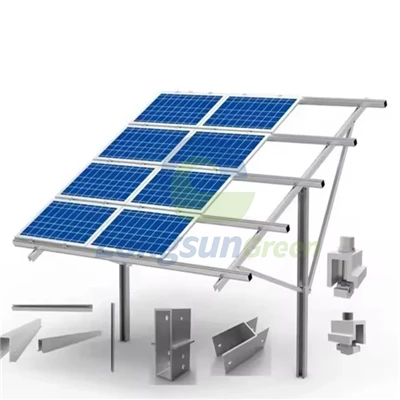
The performance and longevity of colored BIPV systems critically depend on robust, reliable, and often customized mounting structures. This is where Longsun Green's expertise is pivotal. Our mounting systems are engineered to:
Ensure precise, secure, and waterproof integration for facade and roof applications.
Accommodate the specific weight, dimensions, and thermal behavior of various colored PV modules.
Provide ventilation solutions to mitigate efficiency losses from potential heat buildup, especially crucial for building-integrated systems.
Offer a complete, compatible hardware ecosystem that guarantees the structural integrity and optimal performance of the entire colored PV installation.
Conclusion
Colored photovoltaics represent a sophisticated convergence of energy engineering and architectural design. They are a pragmatic answer to the challenge of scaling solar power in visually sensitive environments. While efficiency-per-module is slightly compromised, the net gain lies in enabling vastly larger surface areas for solar harvesting and accelerating social acceptance. For Longsun Green, this technology underscores the importance of holistic system solutions-where advanced mounting infrastructure works in harmony with cutting-edge module technology to build a more sustainable and beautiful future.