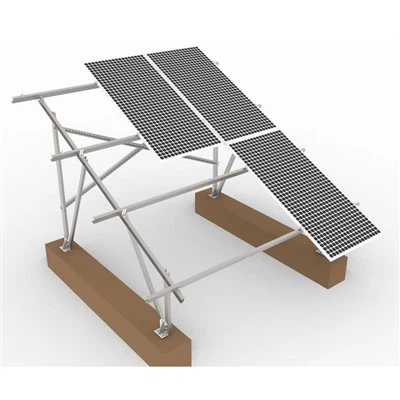


The technical requirements for roof installation structure mainly include the following aspects:
Material selection: The selection of roof materials is the basis for building a roof. Common roof materials include tiles, metal plates, asphalt tiles and concrete slabs. Each material has its own unique advantages and disadvantages. For example, tiles have good thermal insulation and aesthetics, but are complex to install and heavy; metal plates are light and durable, but have poor thermal insulation. When selecting materials, comprehensive consideration should be given to the specific needs and budget of the house.
Structural design: A reasonable roof structure should be able to withstand the effects of natural forces such as wind, rain and snow. Common roof structures include pitched roofs and flat roofs. Pitched roofs are suitable for rainy or snowy areas because of their superior drainage performance; flat roofs are suitable for arid areas because they are easy to construct and can be used as additional living space. When designing the roof structure, it should be ensured that it is coordinated with the overall structure of the house to avoid safety hazards caused by structural mismatch.
Construction preparation: Before construction, the construction unit should be familiar with the engineering design drawings and understand the technical requirements of engineering structure, materials, construction technology, etc. The construction unit should organize construction personnel to conduct technical disclosure, clarify the construction process, quality requirements, safety measures, etc. In addition, the construction site should have conditions such as flatness, unobstructed drainage, complete temporary facilities, and perfect water, electricity and communication facilities for construction.
Construction process: Before installing the steel structure, the foundation structure should be checked to ensure that it meets the design requirements. The transportation and stacking of steel structure components should avoid collisions, and the stacking site should be flat and solid. The installation sequence is to install the supporting structure first, then the roof steel structure, and finally the waterproof, thermal insulation and heat insulation materials. Steel structure connections can be welded or bolted. The welding parts should be cleaned before welding to ensure the welding quality.
Quality requirements: The quality of steel structure materials should meet national standards, and connectors, welding materials, anti-corrosion materials, etc. should also meet relevant standards. Fire prevention, dust prevention, and anti-toxic measures should be taken during welding. After welding, the welding parts should be checked to ensure the welding quality.
Waterproof treatment: The waterproof layer is an important part of the roof and directly affects the service life of the roof. Common waterproof materials include asphalt, polyurethane and acrylic. During construction, ensure that the waterproof layer evenly covers the entire roof, and carry out necessary tests to ensure its waterproof performance.
Insulation treatment: The insulation layer can effectively reduce the temperature difference between indoor and outdoor and improve living comfort. Commonly used insulation materials include glass wool, rock wool and polystyrene foam. During construction, ensure that the insulation layer is closely combined with the waterproof layer to avoid heat loss caused by material shedding.
Ventilation design: A good ventilation system can effectively discharge moisture from the inside of the roof and prevent the formation of mold and corrosion. Common ventilation methods include natural ventilation and mechanical ventilation. When choosing a ventilation method, it should be reasonably configured according to the specific situation and usage requirements of the house.