

Solar Fencing: The Future of Secure, Sustainable Boundary Solutions
Innovative Photovoltaic Fencing Systems Merge Security with Renewable Energy Generation
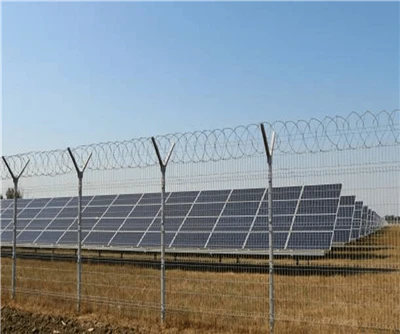
As the world shifts toward sustainable infrastructure, solar fencing has emerged as a groundbreaking solution that combines boundary security with clean energy generation. These advanced systems, integrating photovoltaic (PV) technology into perimeter fencing, are transforming industries-from agriculture and industrial facilities to public infrastructure and residential properties.
What is Solar Fencing?
Solar fencing is a dual-purpose barrier system that provides physical security while harnessing solar energy to power on-site devices or feed electricity into the grid. Unlike traditional fences, these structures incorporate:
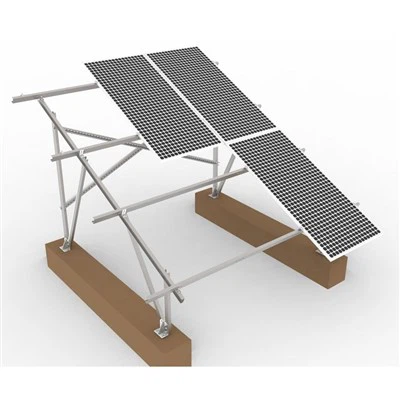
⒈Solar Panels: Mounted on the fence's top or sides, converting sunlight into electricity.
⒉Durable Framework: Made from corrosion-resistant metals (aluminum, galvanized steel) or reinforced polymers for long-term stability.
⒊Energy Storage & Distribution: Equipped with batteries, inverters, and smart controllers for efficient power management.

Key Features & Benefits
1. Dual Functionality: Security + Energy Generation
Power Production: Generates electricity for lighting, surveillance cameras, sensors, and other IoT devices.
Enhanced Protection: Acts as a physical deterrent, with optional anti-climb designs, alarm integration, and tamper-proof mechanisms.
Smart Connectivity: Can include motion detectors, remote monitoring, and automated alerts for real-time security.
2. Sustainable & Cost-Effective
Reduces Carbon Footprint: Lowers reliance on fossil fuels by utilizing solar energy.
Long-Term Savings: Cuts electricity costs over time, with potential government incentives for renewable energy adoption.
Space Efficiency: Eliminates the need for separate solar installations, maximizing land use.
3. Versatile Applications
Industrial & Solar Farms: Secures facilities while offsetting energy consumption.
Agricultural Use: Protects crops/livestock and powers irrigation, lighting, and electric fencing.
Transportation Infrastructure: Powers highway/railway lighting, signals, and surveillance.
Residential & Commercial: Ideal for gated communities, parking lots, and public spaces.

Industry Adoption & Real-World Use Cases
Agrivoltaic Farms: Solar fences prevent animal intrusions while supplying energy for farm operations.
Border Security: Governments deploy solar-powered smart fences with surveillance and intrusion detection.
Urban Development: Cities integrate solar fencing into parks and smart buildings for sustainable lighting.
Considerations for Implementation
While solar fencing offers significant advantages, stakeholders should evaluate:
Initial Investment: Higher upfront cost than conventional fencing, but ROI through energy savings.
Maintenance: Requires periodic cleaning of panels and electrical inspections.
Optimal Placement: Needs unobstructed sunlight for maximum efficiency.
The Future of Solar Fencing
With advancements in thin-film solar cells, modular designs, and AI-driven energy management, solar fencing is poised to become a standard for eco-conscious security. Industry experts predict a 20% annual growth in the solar fencing market as businesses and governments prioritize sustainability and smart infrastructure.

About Longsun Green
Xiamen Longsun Green is a pioneer in solar mounting and fencing solutions, delivering cutting-edge, customizable systems for global clients. With a commitment to innovation and sustainability, we empower industries to adopt secure, energy-efficient perimeter solutions.
For media inquiries, contact:
Amber Yang
Xiamen Longsun Green Energy Technology Co.,Ltd
Email:amber@longsungreen.com
LinkedIn: www.linkedin.com/in/amber-yang-b5a914327
Mobile: +86 18859620328 Web: www.longsungreen.com