

As European countries continue to accelerate their transition toward renewable energy, plug-in solar systems have emerged as a popular and accessible solution for households with limited space or budget. According to recent industry data, Germany remains the frontrunner in this segment, while other European nations are gradually catching up.
Soaring Energy Costs Drive Solar Adoption
A report from SolarPower Europe indicates that solar energy has helped the continent reduce its dependence on imported natural gas, delivering substantial economic savings since early March. Analysts suggest that continued high gas prices could make solar a critical contributor to Europe's energy strategy through 2026.
In response to rising electricity bills, many European residents are turning to clean energy alternatives such as heat pumps, electric vehicles, and solar systems. For those unable to install traditional rooftop panels due to rental agreements or limited roof space, plug-in solar has become an attractive option.
What Is Plug-in Solar?
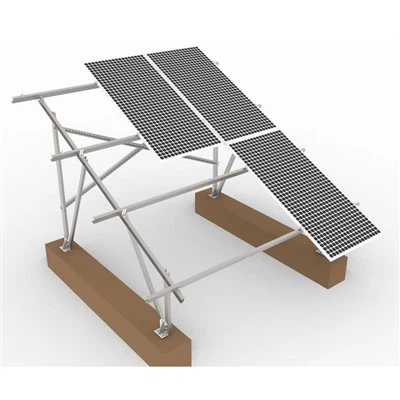
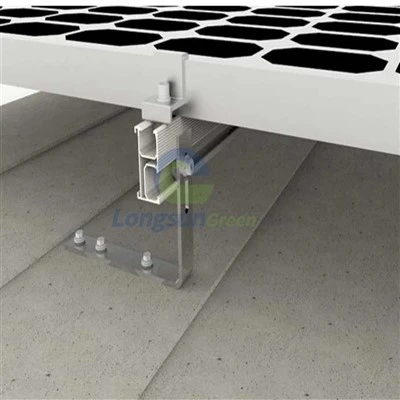
Plug-in solar systems consist of small photovoltaic panels that can be mounted on balconies, terraces, garden sheds, or external walls. Once installed, these systems connect directly to a standard electrical socket, allowing users to power household devices without specialized electrical work or significant installation costs.
This type of system is particularly suitable for tenants, apartment dwellers, and individuals living in shared accommodations where rooftop installations are not permitted.
Industry estimates indicate that the average payback period for a plug-in solar system ranges from two to six years, depending on system size, purchase price, and installation conditions. Once operational, these systems reduce the amount of electricity drawn from the grid, leading to lower monthly energy bills.

Germany Sets the Pace
Germany has established itself as the European leader in plug-in solar adoption. Between 2022 and 2025, more than one million plug-in systems were installed across the country.
Government policies have played a significant role in driving this growth. Incentives such as feed-in tariffs and the elimination of value-added tax (VAT) on small solar systems have encouraged widespread consumer adoption, according to industry sources.
Falling equipment costs have further accelerated market expansion. Reports indicate that balcony solar panels in Germany have decreased in price by approximately 50 percent in recent years, with basic models now available for around €200. Larger systems incorporating battery storage remain under €1,000 while offering substantially higher energy generation capacity.
Since 2024, German tenants and apartment owners have been permitted to install balcony solar panels themselves, eliminating additional labor costs.
Experts project that plug-in solar devices could account for up to two percent of Germany's total electricity demand by 2045, the country's target year for achieving climate neutrality.
Other European Markets Begin to Follow
Despite Germany's rapid progress, broader European adoption of plug-in solar has faced several hurdles. Safety concerns remain a key factor, as many older or poorly maintained electrical systems across the continent require professional inspection before plug-in solar installation.
According to SolarPower Europe, plug-in solar is now legal in all 27 European Union member states except Sweden and Hungary. Several countries have recently taken steps to expand consumer access.
Belgium legalized self-installed plug-in solar panels in April 2025. Spain, benefiting from abundant sunshine, has also seen strong growth. A Spanish plug-in solar company reportedly equipped more than 1,300 homes with solar kits in 2025, saving customers over €620,000 in energy costs while preventing more than 14 tons of carbon dioxide emissions. Over five years of operation, the same company has installed systems in more than 5,000 residences.
The United Kingdom has become the latest European nation to ease restrictions on plug-in solar. Recent policy announcements indicate that low-cost plug-in panels will soon be available through major budget retailers, supporting broader public access to solar technology.
Industry Outlook
As European governments continue to prioritize energy security and renewable infrastructure, plug-in solar is expected to play an increasingly important role in the region's energy mix. With falling equipment prices, supportive regulations, and rising consumer awareness, the market is poised for continued expansion in the coming years.