

Solar photovoltaic systems are designed for decades of operation, but like any critical infrastructure, they require regular attention to maintain peak performance, ensure safety, and maximize return on investment. Proper maintenance goes beyond occasional cleaning-it encompasses structural integrity, electrical reliability, and proactive system monitoring.
Why Maintenance Matters
A well-maintained solar system operates at optimal efficiency, minimizes unexpected downtime, and extends asset life. Studies show that neglected systems can experience annual energy losses of 5–10% due to soiling, loose connections, or component degradation. For commercial and utility-scale installations, these losses translate directly into revenue impact.
Structural Maintenance: The Foundation of Reliability
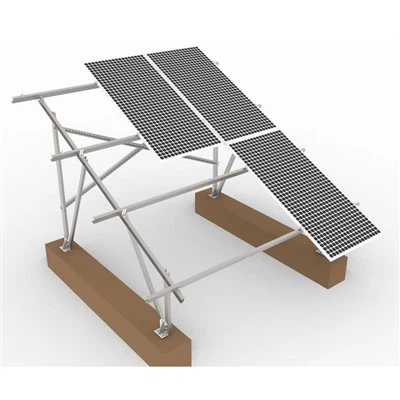
The mounting structure is the unsung backbone of any solar installation. Structural maintenance focuses on:
Torque Checks
Fasteners can loosen over time due to thermal expansion, vibration, or wind loads. Regular torque verification ensures that all clamps, bolts, and connections remain secure, preventing module shift or structural failure.
Corrosion Inspection
Components exposed to coastal, industrial, or high-humidity environments require periodic inspection for corrosion. High-quality systems utilize anodized aluminum and stainless steel, but even these benefit from visual checks to catch early signs of material degradation.
Alignment Verification
Ground settlement, roof movement, or extreme weather events can shift racking systems. Ensuring that arrays maintain proper tilt and orientation preserves optimal solar exposure and prevents mechanical stress on modules.
Electrical Maintenance: Ensuring Safe Power Generation
Electrical components demand specialized attention to maintain both safety and performance.
Inverter Health
Inverters serve as the system's brain, converting DC to AC power. Key maintenance tasks include checking cooling fans, verifying display readings, monitoring error logs, and ensuring adequate ventilation to prevent thermal derating.
DC and AC Connections
Loose or corroded electrical connections generate heat and create fire hazards. Thermal imaging inspections can identify hot spots before they escalate, while routine torque checks on terminal connections maintain safe conductivity.
Cable Management
Cables should be inspected for signs of UV degradation, rodent damage, or abrasion against sharp edges. Properly secured cable trays and conduit prevent chafing and reduce the risk of ground faults.
Functional Principles: Understanding System Behavior
Effective maintenance is guided by understanding how systems behave under various conditions.
Performance Monitoring
Modern systems utilize monitoring platforms that track real-time energy production. Deviations from expected output-such as a sudden drop compared to similarly oriented arrays-often indicate equipment issues or soiling that warrant investigation.
Soiling Losses
Dust, pollen, bird droppings, and industrial fallout accumulate on module surfaces, reducing light transmission. The rate of soiling varies by location: arid regions may require quarterly cleaning, while rainy climates often benefit from natural precipitation.
Temperature Effects
Modules operate less efficiently at high temperatures. Maintaining adequate airflow beneath modules-ensured by proper racking design-helps mitigate thermal losses and prolongs component life.

Application Scenarios: Tailored Approaches by Site Type
Maintenance strategies differ based on installation context.
Residential Rooftop Systems
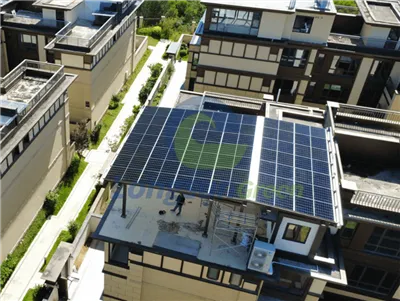
Accessibility and safety are primary concerns. Maintenance typically involves visual inspections from the ground using binoculars or drones, with professional service visits every 2–3 years for electrical checks.
Commercial Flat Roofs
These systems often utilize ballasted or low-penetration racking. Maintenance must consider roof membrane integrity, ensuring that walkways and access points prevent damage to waterproofing layers.
Utility-Scale Ground Mounts
Large arrays require systematic maintenance programs, including scheduled cleaning, drone-based thermal inspections, and vegetation management to prevent shading and fire hazards.
Carports and Canopies
Elevated structures introduce additional safety considerations. Access equipment such as lifts or scaffolding may be required, and structural inspections should account for vehicle clearance and snow load capacity.
Product Advantages: Design Features That Simplify Maintenance
Thoughtful system design reduces long-term maintenance burdens.
Modular Mounting Systems
Aluminum rails with pre-assembled components allow for easier module replacement and faster structural adjustments when needed.
Corrosion-Resistant Materials
6005-T5 aluminum with anodized finish, combined with stainless steel hardware, eliminates corrosion-related degradation, reducing inspection frequency in harsh environments.
Integrated Walkways
For rooftop systems, dedicated walkways provide safe access for technicians, preventing damage to modules and roofing materials during maintenance activities.
High-Precision Components
Laser-cut and CNC-formed brackets ensure consistent fit, reducing on-site adjustments and minimizing potential points of failure.
Case Study: Maintaining a 5 MW Commercial Rooftop Installation
A 5 MW system installed on a logistics center in a coastal industrial zone presented unique challenges: salt-laden air, high wind exposure, and strict access restrictions.
Challenge
After two years of operation, the system showed inconsistent output across array sections. Thermal imaging revealed localized hot spots and some inverter communication faults.
Approach
A comprehensive maintenance plan was implemented, including:
Quarterly torque checks on all structural fasteners
Semi-annual thermal imaging inspections
Cleaning of modules in high-soiling zones adjacent to factory exhaust vents
Firmware updates and cooling fan replacements on inverters
Outcome
System efficiency improved by 8% within six months. The client extended the maintenance contract to a five-year term, citing reduced downtime and predictable operational costs.

Research Insights: The Value of Proactive Maintenance
Industry research consistently demonstrates that proactive maintenance programs deliver measurable returns. A 2024 study by a European energy research institute found that systems with structured maintenance plans experienced:
12–15% lower levelized cost of energy (LCOE) over 20 years
40% fewer unplanned outages
Extended inverter lifespan by an average of 3–5 years
These findings underscore that maintenance should be viewed not as an expense, but as a strategic investment in asset performance.
Conclusion
Solar systems are built to last, but their longevity and profitability depend on consistent, informed maintenance. From structural integrity to electrical safety, from residential rooftops to utility-scale fields, a comprehensive maintenance approach ensures that systems deliver clean energy reliably for decades. As the industry matures, the distinction between a well-maintained system and a neglected one becomes increasingly visible-in both performance data and the bottom line.