

Solar Energy Basics: What You Need to Know Before Going Solar
Solar power has become one of the most practical and affordable ways to generate clean electricity. Whether you are a homeowner or a business operator, understanding the fundamentals of solar energy will help you make better decisions when planning your installation. This post covers the essential knowledge you need before investing in a solar system.
What Is Solar Energy?
Solar energy refers to the electromagnetic radiation emitted by the sun, including visible light, heat, and ultraviolet rays. This energy can be captured and converted into either thermal energy (heat) or electrical energy (electricity) using solar panels or collectors.
As a major form of renewable energy, solar power plays a critical role in reducing carbon emissions, protecting the environment, and supporting sustainable economic growth. Advances in technology have made solar energy more efficient and affordable than ever before.

Main Types of Solar Energy
1. Photovoltaic Solar Energy
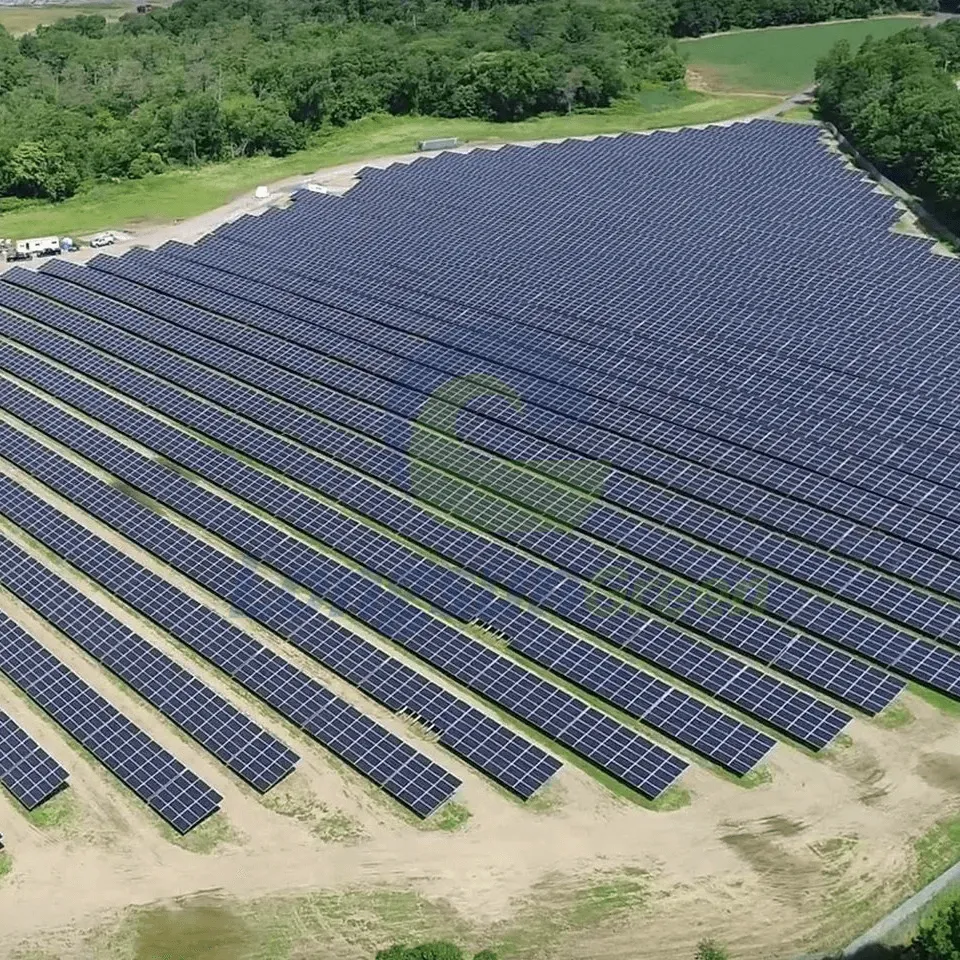
Photovoltaic (PV) systems convert sunlight directly into electricity using solar panels. Each panel contains photovoltaic cells that ionize when exposed to light, releasing electrons that interact to generate an electrical current.
PV solar energy has become increasingly popular due to the rise of solar communities and the cost savings offered by self-consumption installations.
2. Thermal Solar Energy
Thermal solar systems use solar collectors to absorb radiation and convert it into heat. This heat is typically used to warm water for residential heating, hot water supply, or industrial processes.
A more advanced version is Concentrated Solar Power (CSP), which uses mirrors or lenses to focus sunlight onto a specific area. The concentrated heat boils water to produce steam, which then drives turbines to generate electricity.
3. Passive Solar Energy
Passive solar energy does not require mechanical equipment to convert sunlight. Instead, it relies on building materials and architectural design to collect, store, and distribute heat naturally. Common examples include large south-facing windows, thermal mass walls, and light tubes with internal mirrors.
This approach is a key element of bioclimatic architecture and eco-design, primarily used for heating living spaces and maximizing natural lighting.
4. Hybrid Solar Energy
Hybrid systems combine solar energy with other renewable sources, most commonly wind power. A hybrid PV-wind system includes both solar panels and wind turbines, making full use of available sun and wind resources to provide a more consistent energy supply.

Key Advantages of Solar Energy
Unlimited Resource – The sun provides a long-lasting, inexhaustible source of energy.
Zero CO₂ Emissions – Solar power generation releases no carbon dioxide or harmful waste into the atmosphere.
Silent Operation – Solar systems produce electricity without any noise pollution.
Easy Installation – Solar equipment is relatively simple to install and can be adapted to nearly any location, including remote areas.
How Solar Energy Systems Work
Photovoltaic Systems
When photons from sunlight strike the solar panel cells, they energize electrons within the material. These electrons begin moving and exchanging positions, creating a flow of electric current between the layers of the panel. The stronger the sunlight, the greater the electricity output.
Thermal Systems
Thermal solar systems operate through three main components: a solar collector to capture heat, a storage vessel to hold the heated fluid, and a distribution system to deliver the heat for consumption.
Practical Applications of Solar Energy
| Application | Description |
|---|---|
| Electricity Generation | The most common use – photovoltaic panels convert sunlight directly into usable electricity. |
| Space Heating | Solar thermal panels heat water that circulates through radiators or underfloor heating systems. |
| Domestic Hot Water | Solar thermal systems provide an efficient and sustainable way to produce hot water for daily use. |
| Agricultural Irrigation | Solar-powered irrigation systems are highly practical, as peak water demand often coincides with peak solar radiation seasons. |
| Street Lighting | PV-powered lighting enables automated, energy-efficient street lamps that run on renewable energy. |
Final Thoughts
Understanding the basics of solar energy is the first step toward making a smart investment in renewable power. Whether you choose photovoltaic panels for electricity or thermal collectors for heating, solar technology offers a clean, quiet, and increasingly affordable solution.
For professional guidance on solar mounting systems, feel free to reach out to our team.
Longsun Green – Specialized Manufacturer of Solar Mounting Structures
Website: www.longsungreen.com