

How Does Solar Power Actually Work? A Practical Guide (Updated with 2026 Data)
Solar energy is everywhere, but how exactly does sunlight become the electricity that powers your home or business? This guide breaks down the basics in simple terms, updated with the latest 2026 market data.
The Short Answer
Solar power works by converting sunlight into electricity (or heat) using solar panels. As long as the sun shines, energy is available-making solar a renewable and clean source with no harmful emissions.
A Brief History
Humans have used solar energy for centuries. As early as the 7th century B.C., people used sunlight to start fires by reflecting rays onto shiny objects. In the 3rd century B.C., the Greeks and Romans used mirrors to light torches for ceremonies.
The real breakthrough came in 1839 when French physicist Edmond Becquerel, at just 19 years old, discovered the photovoltaic (PV) effect. He noticed that a metal electrode cell produced more electricity when exposed to light-the first PV cell.
Modern solar technology was born in 1954 when researchers at Bell Labs developed the first silicon PV cell capable of powering everyday electrical equipment. Today, even satellites orbiting Earth run on solar energy.
How Electricity Is Generated Step by Step
Solar panels are typically made of silicon (a semiconductor) placed in a metal frame with a glass cover. Here is what happens:
Sunlight hits the panel. The light contains tiny energy packets called photons.
Photons knock electrons loose from the silicon atoms, creating an electric charge.
This charge generates a direct current (DC) electricity, captured by the wiring inside the panel.
An inverter converts DC into alternating current (AC)-the standard electricity used by household outlets and appliances.
Solar PV vs. Solar Thermal
Many people confuse these two technologies:
Solar PV (photovoltaic): Generates electricity. Photons hit a semiconductor surface (like silicon) and release electrons.
Solar Thermal: Generates heat. Sunlight directly warms water or other fluids. This is often used for home hot water systems or larger power stations.

Do Solar Panels Work on Cloudy Days?
Yes. Solar panels only need daylight, not direct sunlight. However, electricity output does vary depending on sunlight intensity, panel quality, panel size, number of panels, and installation location.
What Are Solar Farms?
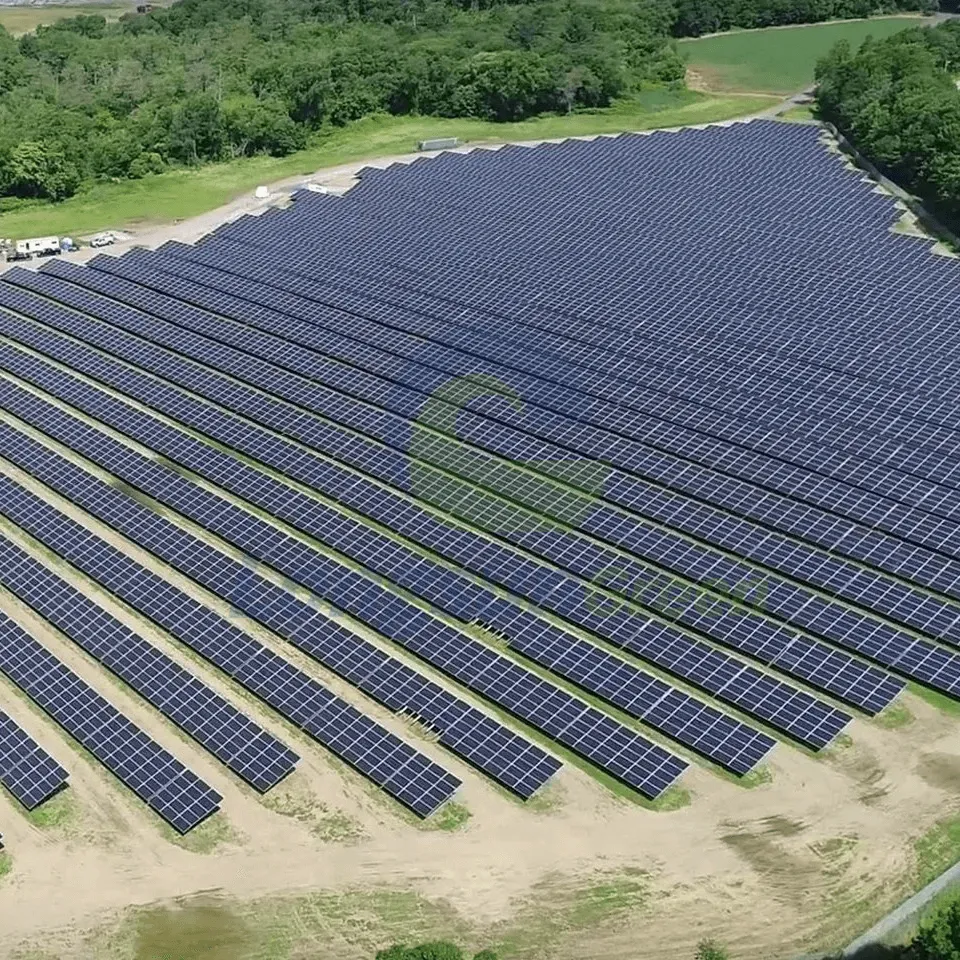
Solar farms (also called solar parks or fields) are large areas of land covered with interconnected solar panels. Unlike a rooftop system that powers a single building, solar farms feed electricity directly into the power grid for widespread use.
2026 Solar Market Update
The global solar industry reached a major milestone in 2026, with cumulative installed capacity surpassing 3 TW for the first time . Here are the key developments:
Global Market Size
According to BloombergNEF's December 2025 outlook, the world added approximately 655 GW of new solar capacity in 2025. In 2026, global additions are forecast at 649 GW-a slight 0.9% decline, marking the first annual contraction in modern solar history . Despite this slowdown, solar remains the fastest-growing power generation technology worldwide.
Annual investment in solar exceeded $300 billion in 2025 .
Top Solar Markets (2025 Additions)
| Rank | Country | 2025 Additions (GW) | Cumulative (GW) |
|---|---|---|---|
| 1 | China | 372 | 1,242 |
| 2 | United States | 50 | 280 |
| 3 | India | 47 | 110 |
| 4 | Brazil | 17 | 60 |
| 5 | Germany | 16 | 110 |
Source: BloombergNEF, Mercom India
Key Market Trends in 2026
China remains the world's largest solar market, having installed 372 GW in 2025. However, annual demand is expected to stabilize in the 320–350 GW range from 2026 onward, as grid integration constraints and regulatory adjustments take effect . China now accounts for nearly half of all operational solar capacity worldwide.
The United States installed approximately 48 GW in 2025, down slightly from 50 GW in 2024, with further moderation to around 43 GW expected in 2026 due to changing incentive policies and trade enforcement . As of February 2026, total US solar capacity reached 214 GW .
India added 47 GW in 2025 and is forecast to add 50 GW in 2026, overtaking the US as the world's second-largest solar market according to BloombergNEF .
Europe saw installations stabilize at approximately 65–70 GW annually since 2024, with residential demand cooling while utility-scale projects remain steady .
The Rise of Solar + Storage
A major trend shaping the 2026 market is the growing importance of energy storage. Grid congestion, curtailment risks, and price volatility are accelerating storage adoption across all market segments. In Europe, battery storage installations expanded by over 36% in 2025 compared to 2024 levels, exceeding 29 GWh .
For utility-scale and C&I projects, pairing solar with storage is no longer optional-it is becoming essential for project viability.
Future Outlook
The IEA projects that solar PV will account for nearly 80% of new renewable capacity added globally between 2025 and 2030. Cumulative global solar capacity is on track to reach 6–7 TW by 2030 .
Sources: BloombergNEF Global Solar Market Outlook 2026, EUPD Research, IEA, U.S. EIA

About Longsun Green
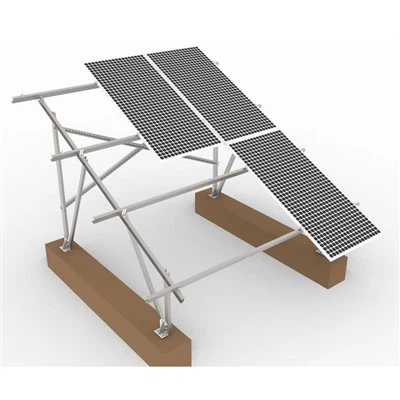
Longsun Green is a professional manufacturer of solar PV mounting structures, including adjustable hooks, tile roof systems, and ground mounts. With ISO-certified facilities, a 15-year product warranty, and a monthly capacity of 100 MW, Longsun Green serves over 80 EPCs and installers worldwide. Whether you are planning a rooftop system or a large solar farm, reliable mounting structures are the foundation of a long-lasting PV installation.
Media Contact: Amber
Email: amber@longsungreen.com
Website: www.longsungreen.com