

As solar energy continues to gain traction worldwide, understanding the cost structure of a complete photovoltaic (PV) system is essential for homeowners, businesses, and developers. While prices vary by region, component quality, and installation complexity, this article provides a practical overview of typical costs across different system scales.
1. Key Components of a Solar PV System
A complete solar PV system consists of several core components:
| Component | Description |
|---|---|
| Solar Panels | Typically monocrystalline or polycrystalline silicon modules |
| Inverter | Converts DC to AC; options include string inverters, microinverters, or hybrid inverters |
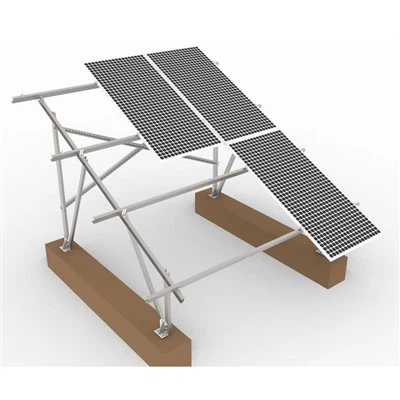
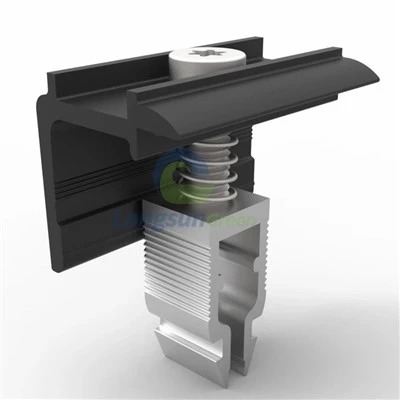
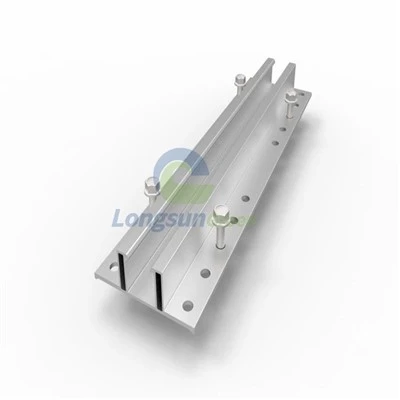
| Mounting Structure | Racking and mounting hardware, including rails, hooks, clamps, and ballasts |
| Cabling & Wiring | DC and AC cables, connectors, conduit, and junction boxes |
| Battery Storage (optional) | Lithium-ion or lead-acid batteries for energy storage |
| Installation Labor | Engineering, permitting, and on-site installation |
| Balance of System (BOS) | Meters, disconnects, monitoring systems, and safety equipment |
2. Cost Breakdown by System Scale
Solar system costs are typically measured in USD per watt (USD/W) or USD per kilowatt (USD/kW) . Larger systems benefit from economies of scale, resulting in lower per-watt costs.
2.1 Residential Systems (3 kW – 15 kW)
Typical Cost Range: $2.50 – $4.00 per watt
Residential rooftop systems are the most common segment. Costs vary based on roof complexity, mounting type, and inverter selection.
| System Size | Estimated Total Cost (USD) |
|---|---|
| 3 kW | $7,500 – $12,000 |
| 5 kW | $12,500 – $20,000 |
| 10 kW | $25,000 – $40,000 |
Key cost drivers: Roof type (tile vs. metal), mounting hardware (e.g., stainless steel hooks, aluminum rails), and permitting fees.
2.2 Commercial Systems (15 kW – 500 kW)
Typical Cost Range: $1.50 – $2.50 per watt
Commercial installations often utilize flat rooftops or ground-mounted arrays, allowing for more efficient installation and bulk component pricing.
| System Size | Estimated Total Cost (USD) |
|---|---|
| 50 kW | $75,000 – $125,000 |
| 100 kW | $150,000 – $250,000 |
| 500 kW | $750,000 – $1,250,000 |
Key cost drivers: Structural engineering for ballasted or penetrating mounts, larger inverter configurations, and interconnection fees.
2.3 Utility-Scale Systems (1 MW – 100+ MW)
Typical Cost Range: $0.80 – $1.50 per watt
Utility-scale solar farms benefit from significant economies of scale, with optimized procurement and standardized mounting systems.
| System Size | Estimated Total Cost (USD) |
|---|---|
| 1 MW | $800,000 – $1,500,000 |
| 10 MW | $8,000,000 – $15,000,000 |
| 100 MW | $80,000,000 – $150,000,000 |
Key cost drivers: Land acquisition, transmission infrastructure, and environmental assessments.

3. Cost Breakdown by Component
For a typical residential or commercial system, the cost distribution generally follows this pattern:
| Component | Percentage of Total Cost |
|---|---|
| Solar Panels | 25% – 35% |
| Inverter | 10% – 15% |
| Mounting Structure | 10% – 15% |
| Balance of System (cabling, etc.) | 5% – 10% |
| Installation Labor | 15% – 20% |
| Permitting & Engineering | 5% – 10% |
| Battery Storage (if included) | 20% – 30% (additional) |
4. Factors Influencing Cost Variations
4.1 Mounting System Type
Roof-mounted systems: Require roof hooks, rails, and flashings. Costs vary by roof material and pitch.
Ground-mounted systems: Require foundations (concrete piers, driven piles) and larger racking structures.
Ballasted flat roof systems: Use concrete blocks instead of roof penetrations, reducing labor but increasing material weight.
4.2 Component Quality
Premium panels (higher efficiency, longer warranty) cost more but yield greater long-term returns.
High-grade mounting materials (e.g., stainless steel, aluminum with anodized coating) ensure durability in corrosive environments.
4.3 Regional Factors
Labor rates vary significantly by country and region.
Permitting and interconnection fees differ by local jurisdiction.
Shipping and logistics costs impact component pricing, especially for remote locations.
4.4 Energy Storage Integration
Adding battery storage typically increases total system cost by 20% – 40%, depending on capacity and battery chemistry.

5. Cost-Saving Strategies
| Strategy | Impact |
|---|---|
| Optimized mounting design | Reduces material usage and installation time |
| Bulk procurement | Lowers per-unit cost for large projects |
| Standardized components | Minimizes engineering and customization expenses |
| Local sourcing | Reduces shipping costs and lead times |
| Incentives & tax credits | Can reduce net cost by 20% – 50% depending on region |
6. Conclusion
The cost of a complete solar PV system varies significantly by scale, ranging from approximately $2.50–$4.00/W for residential installations to $0.80–$1.50/W for utility-scale projects. Understanding the breakdown of components, mounting structures, and regional factors is essential for accurate budgeting and project planning.
As a specialized solar mounting structure manufacturer, Longsun Green provides high-quality, corrosion-resistant mounting solutions-including stainless steel hooks, aluminum rails, end clamps, and ballasted systems-designed to optimize installation efficiency and long-term reliability across all project scales.