

Introduction
The global transition to renewable energy has made solar power a cornerstone of sustainable development. Beyond large-scale solar farms, distributed generation solutions are gaining traction, and solar carports represent a paradigm of this trend. They transform underutilized spaces-parking lots-into dual-purpose assets that provide shelter for vehicles while generating clean electricity. As a leading manufacturer in the industry, Longsun Green provides robust, reliable, and innovative solar carport mounting solutions, primarily in Aluminum Alloy and Carbon Steel, catering to diverse project requirements.
1. Structural Design & Functional Principle
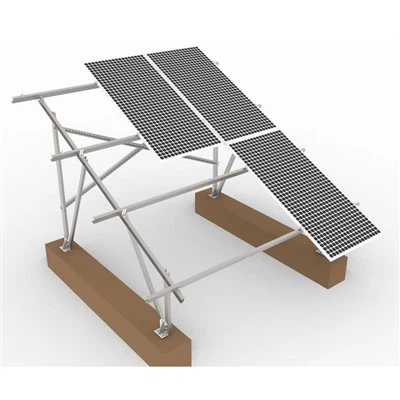
A solar carport is an engineered structure designed to support photovoltaic (PV) panels overhead. Its core function is dual: to serve as a protective canopy and a secure mounting platform for solar arrays.
Basic Components:
Columns/Vertical Supports: The primary load-bearing elements anchored to the ground or foundation.
Purlin Beams: Horizontal members that run the length of the carport, providing direct support for the PV panels.
Bracing Systems: Diagonal or cross members that provide stability against lateral forces like wind and seismic activity.
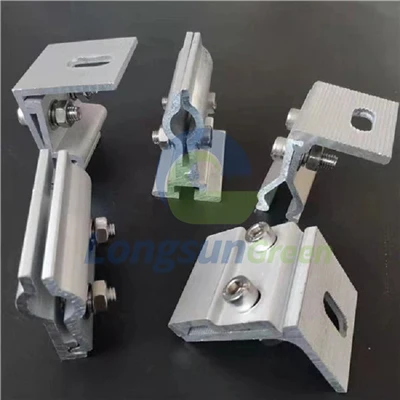
Connectors & Fasteners: High-strength bolts, clamps, and brackets that ensure a rigid and secure assembly.
Functional Principle: The structure is engineered to withstand permanent loads (its own weight, PV panels) and variable loads (wind, snow, vehicle impact). The tilted design of the purlins optimizes the angle of the PV panels for maximum solar irradiance capture. The generated DC electricity is channeled through wiring integrated into the structure to inverters and then used on-site or fed back into the grid.

2. Material Analysis: Aluminum Alloy vs. Carbon Steel
The choice of material is critical, impacting the structure's longevity, maintenance, cost, and installation.
A. Aluminum Alloy Solar Carports
Characteristics: Fabricated from high-strength 6000-series aluminum (e.g., 6061-T6), known for its excellent strength-to-weight ratio and natural corrosion resistance.
Advantages:
Superior Corrosion Resistance: Forms a protective oxide layer, making it ideal for coastal or high-humidity regions without the need for painting.
Lightweight: Significantly easier to handle and transport, reducing installation time and labor costs. Also places less demand on foundations.
Aesthetic Flexibility: A modern, sleek appearance that can be anodized in various colors for enhanced architectural integration.
Low Maintenance: Requires no painting or galvanizing upkeep over its lifespan.
Considerations: Higher initial material cost compared to carbon steel.
Ideal For: Commercial parking lots, corporate campuses, public facilities (hospitals, schools), and projects where aesthetics, low maintenance, and a lightweight solution are priorities.
B. Carbon Steel Solar Carports
Characteristics: Typically made from Q235 or Q345 grade steel, known for its high tensile strength and rigidity. It requires surface treatment to prevent corrosion.
Advantages:
Exceptional Strength & Durability: Offers superior load-bearing capacity, making it suitable for large-span designs and regions with heavy snow loads.
Cost-Effectiveness: Lower initial material cost, providing an excellent return on investment for large-scale projects.
Proven Reliability: A widely used, time-tested material in the construction industry.
Surface Protection: Through Hot-Dip Galvanizing (HDG), the steel is coated with a thick layer of zinc, providing decades of protection against rust and corrosion.
Considerations: Heavier, requiring more robust foundations and potentially more complex installation equipment. The galvanizing process is essential for longevity.
Ideal For: Industrial applications, utility-scale solar carport farms, logistics centers, and projects in regions with heavy snow or strong winds where maximum structural strength is paramount.

3. Comparative Advantages & Research Significance
The decision between aluminum and steel is not merely a choice of material but a strategic calculation based on project-specific parameters.
Lifecycle Cost Analysis: While aluminum may have a higher upfront cost, its minimal maintenance needs can result in a lower Total Cost of Ownership (TCO) over a 25-30 year lifespan. Carbon steel offers a lower entry point, making it attractive for budget-conscious projects with a defined maintenance plan.
Structural Engineering & Design Flexibility: Aluminum's lightness allows for more innovative and complex designs with longer unsupported spans. Carbon steel's rigidity enables wider single-bay spans, reducing the number of columns and maximizing parking space.
Environmental Impact & Sustainability: Both materials are 100% recyclable. Aluminum recycling is highly energy-efficient, while steel is the world's most recycled material. A solar carport's core function of generating clean energy creates a significantly positive Environmental Payback Time (EPT), offsetting the embodied carbon of its structure.

4. Successful Project Applications
Longsun Green's solutions have been deployed globally across various sectors:
Case Study 1: Corporate HQ (Southeast Asia): A 500-car facility opted for Aluminum Alloy carports due to the coastal, salt-laden environment. The choice ensured long-term durability against corrosion, maintained a premium aesthetic that matched the corporate image, and provided significant energy cost savings.
Case Study 2: Logistics Park (Northern China): A massive distribution center required a robust solution to handle heavy snow loads. Hot-Dip Galvanized Carbon Steel structures were selected for their unparalleled strength and cost-effectiveness at scale. The project now powers warehouse operations and a fleet of electric forklifts.


5. Conclusion
The selection between an aluminum alloy and a carbon steel solar carport is a multifaceted decision. Aluminum stands out for its corrosion resistance, lightweight properties, and modern appeal. Carbon steel excels in raw strength, cost-efficiency for large areas, and proven performance under extreme loads.
At Longsun Green, we leverage our deep expertise to guide our clients through this selection process. We provide tailored, engineered solutions that maximize energy yield, ensure structural integrity, and deliver outstanding long-term value. By turning parking areas into power plants, we are helping businesses and communities build a more sustainable and resilient future.