

Building-Integrated Photovoltaic (BIPV) Solar Canopy Systems represent a significant advancement in sustainable architecture and distributed energy generation. Moving beyond conventional "bolt-on" solar arrays, these systems seamlessly merge energy production with architectural function. This article provides a detailed examination of BIPV canopies, exploring their structural composition, operational principles, diverse applications, inherent advantages, and real-world implementation, positioning them as a cornerstone technology for modern green building projects.
Structural & Functional Overview: Beyond a Simple Solar Panel
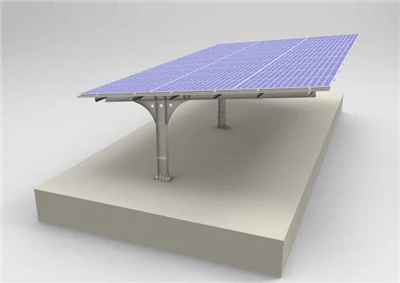
A BIPV Solar Canopy is not merely a solar panel mounted on a structure; it is the structure itself. The photovoltaic modules serve as the primary building envelope material, performing dual roles of weatherproofing and power generation.
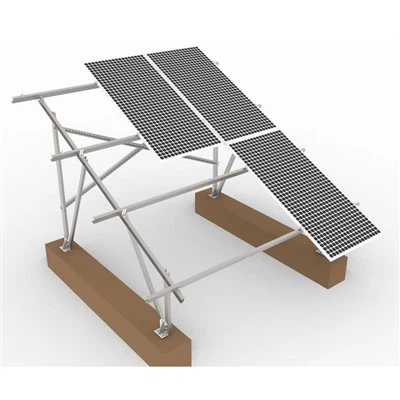
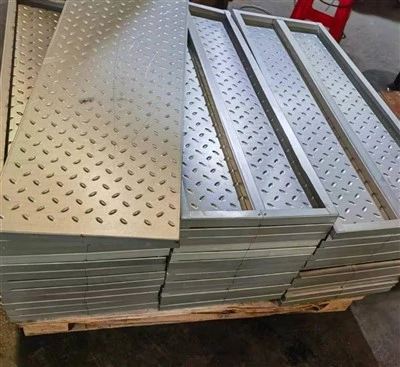
Structural Framework: The core support is typically a robust frame made from materials like galvanized steel (e.g., Q235) for high load-bearing capacity and aluminum alloy (e.g., 6005-T5) for its excellent strength-to-weight ratio and corrosion resistance. This frame is engineered to withstand environmental loads such as wind, snow, and seismic activity.
BIPV Modules: Unlike standard panels, BIPV modules for canopies are often designed with structural integrity in mind. Common technologies include:
Laminated Glass-Glass Modules: Photovoltaic cells are encapsulated between two tempered glass layers, creating a durable, waterproof, and aesthetically pleasing surface that allows for light transmission and interesting shadow patterns.
CIGS Thin-Film Modules: These offer flexibility, a uniform appearance, and better performance in low-light or high-temperature conditions compared to traditional silicon cells.
Integration Components: The system includes specialized mounting hardware, concealed cable management channels, and integrated junction boxes for a clean, architectural finish.

Functional Principle: The Dual-Purpose Design
The principle is elegantly simple:
Energy Generation: The photovoltaic cells within the canopy modules convert sunlight directly into electricity (DC power). This electricity is then channeled through wiring integrated into the structure to an inverter, which converts it to alternating current (AC) for use on-site, fed into the grid, or stored in battery systems.
Shelter and Comfort: The modules and the underlying structure provide a physical barrier against sun, rain, and hail. This creates comfortable, usable outdoor space, protects vehicles and pavements from UV degradation, and reduces the urban heat island effect.
Applications: Transforming Underutilized Spaces into Power Assets
BIPV canopies are versatile and can be deployed across numerous sectors:
Commercial & Industrial Parking Lots: Transforming vast parking areas into shaded, value-added power plants for offices, retail malls, and factories.
Residential Developments: As carports, patio covers, and gazebos for private homes or housing complexes, offering residents energy savings and enhanced outdoor living.
Public & Institutional Spaces: Providing covered walkways, bus stops, and picnic areas in schools, universities, hospitals, and parks, while demonstrating a commitment to sustainability.
Hospitality & Recreation: Covering pool decks, outdoor dining areas, and resort pathways, improving guest experience while lowering operational costs.

Product Advantages: A Compelling Value Proposition
Space Optimization: Generates clean energy without requiring additional land, utilizing already-developed spaces like parking lots and walkways.
Reduced Energy Costs & Peak Shaving: Significant on-site generation offsets electricity purchases from the grid. Power produced during peak sunlight hours can directly offset high peak-demand charges for commercial users.
Enhanced Property Value & Aesthetics: BIPV canopies are architecturally sophisticated, enhancing the visual appeal of a property compared to conventional structures, while also adding a tangible, income-generating asset.
Durability & Low Maintenance: Constructed with high-quality, weather-resistant materials, these systems have long lifespans (typically 25+ years for the modules) and require minimal upkeep beyond occasional cleaning.
Support for Sustainability Goals: Directly contributes to LEED, BREEAM, and other green building certification points. It reduces a building's carbon footprint and demonstrates corporate social responsibility.
Case Study: Longsun BIPV Carport System for a Corporate Headquarters
Project: A multinational corporation sought to greenify its new headquarters in a region with high solar insolation and high daytime electricity rates.
Solution: Longsun provided a customized BIPV Solar Canopy System covering 300 employee parking spaces.
Implementation:
The structure used a galvanized steel frame with custom-colored aluminum fascias to match the corporate architecture.
High-transparency glass-glass BIPV modules were installed, providing ample shading light while generating power.
The system was integrated with the building's energy management system for real-time monitoring.
Results:
Annual Energy Production: 550 MWh, covering approximately 30% of the campus's daytime energy needs.
Carbon Reduction: Offset 390 tons of CO2 emissions annually.
Employee & Community Benefits: Provided shaded, cooler parking for employees and became a visible symbol of the company's commitment to innovation and sustainability.

Conclusion: The Future is Integrated
BIPV Solar Canopy Systems are a pragmatic and powerful solution at the nexus of energy, architecture, and sustainability. They offer a tangible return on investment through energy savings, provide resilience against rising energy costs, and create more comfortable, functional, and environmentally responsible built environments. As technology advances and costs continue to decline, BIPV canopies are poised to become a standard feature in the design of new commercial, public, and high-end residential properties worldwide.