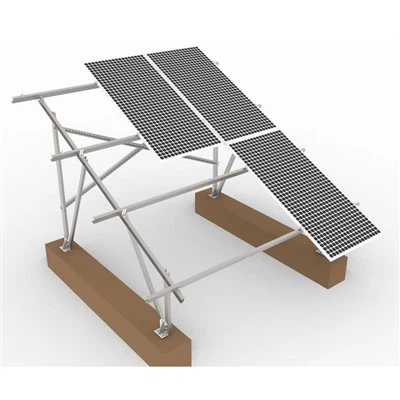


The global push for renewable energy is fostering remarkable innovations, and one of the most promising is agrivoltaics-the co-location of solar energy production and agriculture on the same land. This synergistic approach is made possible by specialized solar mounting systems that allow farming activities to continue beneath or between the solar arrays.
How Agrivoltaics Works
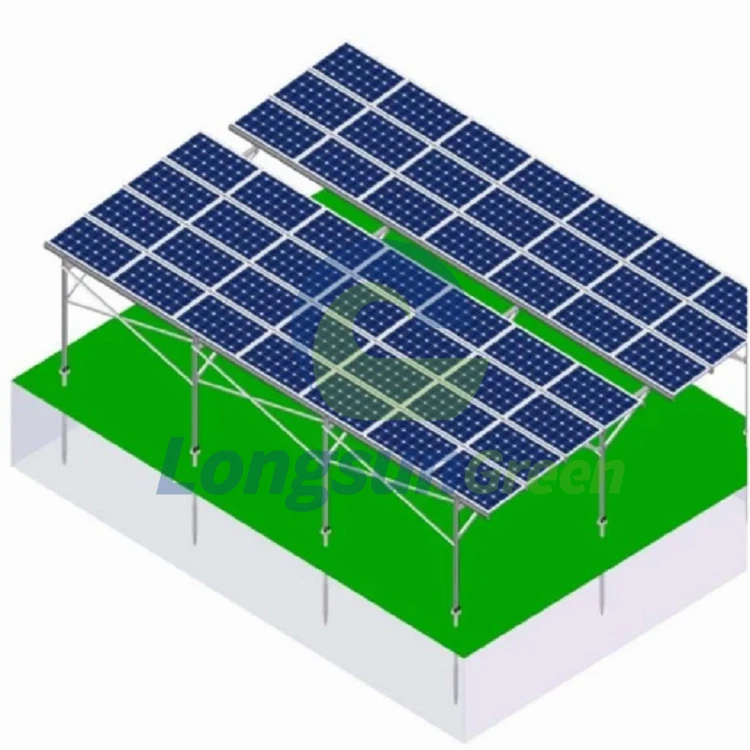
At its core, agrivoltaics involves the strategic installation of solar panels elevated higher than conventional ground-mounted systems. This design creates ample space and clearance underneath for agricultural use. The key enabling technology is the solar mounting structure. These systems often use taller poles and wider spacing between rows compared to traditional solar farms. This elevated configuration allows for the passage of farm machinery, the grazing of livestock, and the cultivation of various crops that benefit from partial shading.

The Dual Benefits: Environmental and Economic
The advantages of agrivoltaics are twofold, offering significant gains for both the environment and the economy.
Environmental Impact:
Efficient Land Use: Agrivoltaics maximizes land productivity. Instead of choosing between food production and energy production, we can achieve both simultaneously on the same plot.
Water Conservation: The shade provided by solar panels can reduce soil water evaporation, decreasing the water requirements for certain crops, a critical benefit in arid regions.
Enhanced Crop Yields: For many shade-tolerant crops like leafy greens, root vegetables, and some berries, partial shading can reduce heat stress, leading to healthier plants and potentially higher yields.
Improved Soil Health: The structures can help moderate soil temperature and moisture levels, while also protecting the land from severe erosion.
Economic Impact:
Diversified Income for Farmers: Farmers can generate a stable, additional revenue stream from leasing land for solar energy production, helping to insulate them from market fluctuations and poor harvests.
Reduced Operational Costs: The on-site solar energy can power farm operations, reducing electricity bills. Furthermore, reduced water usage for irrigation lowers costs.
Preservation of Farmland: By making farming more economically viable, agrivoltaics can help prevent the conversion of agricultural land to other uses, preserving a critical resource.
The Critical Role of Robust Mounting Systems
The success of any agrivoltaic project hinges on the reliability and engineering of the solar mounting structure. These systems must be designed to withstand additional environmental stresses due to their increased height and exposure. They also need to be durable enough to coexist with agricultural activities, from occasional bumps from machinery to the presence of livestock.
This is where specialized engineering comes in. Companies like Longsun Green Energy are at the forefront of this technology. We design and manufacture high-quality, durable solar mounting systems that are perfectly suited for the unique demands of agrivoltaic projects. Our structures are engineered for heightened stability, corrosion resistance, and longevity, ensuring that both the solar array and the agricultural activities beneath can thrive for decades. By providing a robust and reliable foundation, Longsun Green's mounting solutions empower farmers and developers to confidently harness the dual benefits of agrivoltaics.
A Sustainable Path Forward
Agrivoltaics represents a pragmatic and powerful solution for a sustainable future. It aligns the goals of energy security, food security, and environmental stewardship. As technology advances and more successful projects emerge, this integrated approach is poised to play a vital role in our global energy and agricultural landscapes, proving that we don't always have to choose between one resource and another-we can innovatively cultivate both.