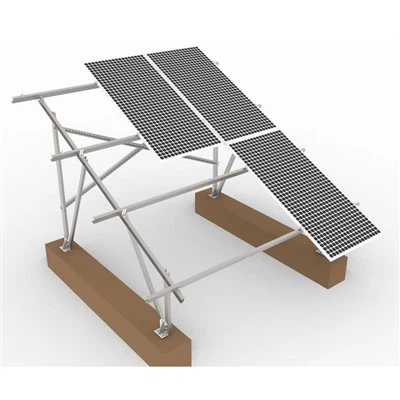


Merging Aesthetics with Sustainability for Urban and Commercial Spaces
Introduction
As cities worldwide face growing energy demands and limited space, Building-Integrated Photovoltaics (BIPV) solutions like the BIPV Canopy System are redefining sustainable architecture. Unlike conventional solar carports, these systems seamlessly blend solar energy generation with functional design, transforming parking lots, walkways, and building facades into high-efficiency power plants.
With global searches for "BIPV solar canopy" rising by 120% in 2024 (Google Trends), this technology addresses critical challenges: urban land scarcity, carbon neutrality goals, and aesthetic compliance for modern infrastructure.
What is a BIPV Canopy System?
A BIPV (Building-Integrated Photovoltaic) Canopy System replaces traditional roofing or shading materials with solar panels that serve dual purposes:
Energy generation: High-efficiency PV modules (e.g., PERC, heterojunction, or thin-film) feed electricity directly into buildings or grids.
Architectural function: Provides shade, weather protection, and sleek visual appeal for commercial, industrial, and public spaces.
Key components:
Solar glass panels: 30-50% transparency options for balanced light transmission.
Structural framework: Aluminum or galvanized steel with anti-corrosion coatings.
Smart integration: Compatible with EV charging stations, energy storage systems, and IoT monitoring.
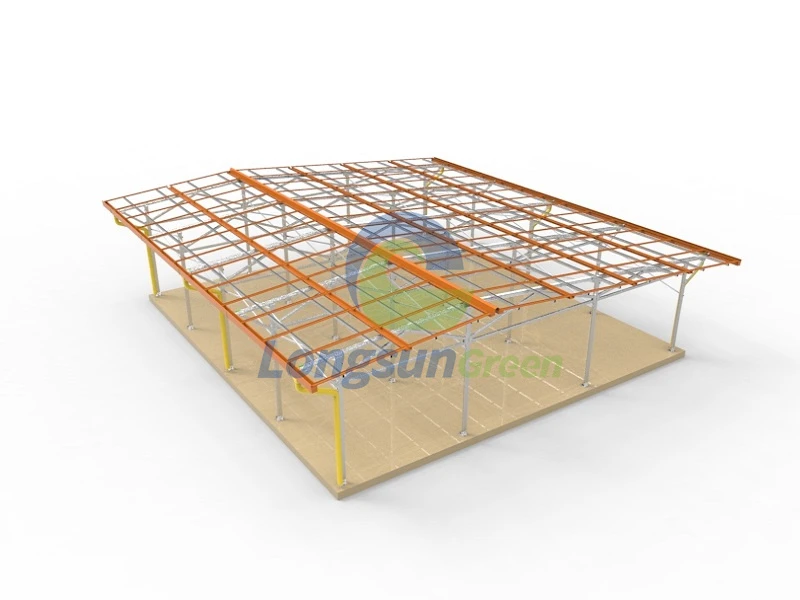
Why BIPV Canopies? Market Drivers & Applications
1. Urban Energy Solutions
With "solar parking canopy" searches up 75% YoY, cities prioritize systems that maximize space efficiency. Example applications:
Commercial parking lots: Retail giants like Walmart and IKEA adopt BIPV canopies to offset energy costs.
EV charging hubs: Pairing with DC fast chargers (e.g., Tesla Superchargers) enhances ROI.
Public infrastructure: Airports (e.g., Denver International) use canopies for shade and 5MW+ annual generation.
2. Regulatory and ESG Trends
Net-zero building codes (e.g., California Title 24) mandate renewable integration.
Corporate ESG pledges drive demand for LEED-certified solutions.
Technical Advantages Over Conventional Systems
| Feature | BIPV Canopy | Traditional Solar Carport |
|---|---|---|
| Aesthetics | Sleek, customizable designs | Industrial appearance |
| Energy Density | 20-30% higher (per m²) | Standard efficiency |
| Lifespan | 30+ years (glass-based) | 25 years (framed panels) |
| Multi-functionality | Rainwater collection, LED integration | Limited to power generation |
Data: NREL 2023 Comparative Study
Global Adoption and Case Studies
Google's Mountain View HQ: 6MW BIPV canopy system powers 40% of campus needs.
Singapore's SolarNova Program: 200+ BIPV canopies deployed for public housing.
Germany's Fraunhofer Institute: Achieved 98% self-sufficiency with hybrid BIPV + storage.
Challenges and Innovations
While BIPV canopies face hurdles like higher upfront costs (≈15% premium over carports), innovations are closing gaps:
Lightweight designs: Thin-film PV reduces structural load.
Recyclable materials: EU-funded projects (e.g., BIPVBOOST) aim for 95% panel recyclability.
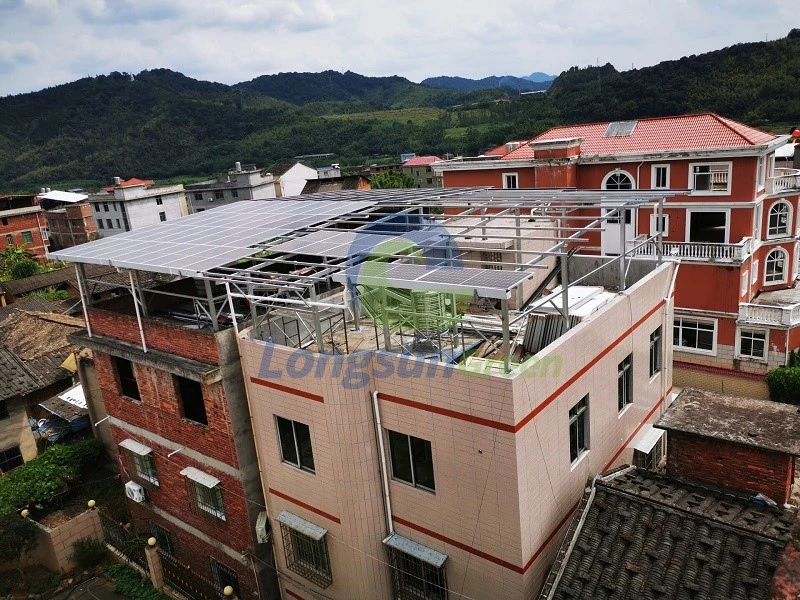
The Road Ahead
Analysts predict the BIPV market will grow at 12.7% CAGR (2024-2030, Grand View Research), driven by:
Smart city initiatives (e.g., China's 14th Five-Year Plan).
Falling PV costs (↓60% since 2010, BloombergNEF).
Conclusion
The BIPV Canopy System represents a paradigm shift in renewable energy infrastructure. By harmonizing form and function, it meets the dual demands of sustainability and urban development-proving that clean energy can be both invisible and indispensable.