

Off-Grid Solar PV Systems: The Ultimate Solution for Energy Independence
Introduction
Off-grid solar photovoltaic (PV) systems represent a transformative approach to energy access, enabling complete independence from traditional utility infrastructure. These self-contained power generation systems convert sunlight into electricity, store it in batteries, and deliver reliable power anywhere-regardless of grid proximity . Unlike grid-tied systems that shut down during outages, off-grid installations provide continuous power day and night, offering true energy autonomy .
As global energy demand rises and the push for decarbonization intensifies, off-grid solar has emerged not merely as an alternative, but often as the optimal solution for remote communities, critical infrastructure, and environmentally conscious consumers . This article examines the unique advantages that make off-grid solar an increasingly compelling choice across diverse applications.
System Overview
A typical off-grid solar PV system comprises four essential components working in harmony:
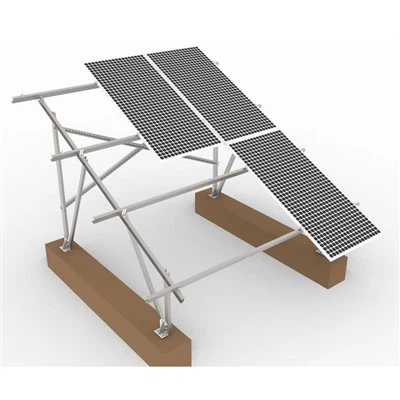
Solar PV Array: Captures sunlight and converts it to DC electricity
Charge Controller: Regulates power flow to protect batteries (MPPT technology maximizes harvest)
Battery Bank: Stores energy for use during nighttime and low-sun periods
Inverter: Converts DC to AC power for standard appliances
Modern systems also incorporate remote monitoring capabilities, providing real-time visibility into performance, consumption, and system health .
Key Advantages of Off-Grid Solar
Complete Energy Independence
Off-grid systems liberate users entirely from utility company constraints, rate hikes, and policy changes . This independence proves invaluable in regions with unreliable grid service, where grid-tied systems would experience frequent outages. Users gain full control over their energy production and consumption, insulated from external disruptions .
Universal Applicability
Off-grid solar brings electricity to locations where grid extension costs $15,000-$50,000 per mile-costs that render traditional rural electrification economically unfeasible . Remote cabins, research stations, agricultural operations, and developing-world communities gain access to modern energy services previously unavailable .
Environmental Stewardship
Solar PV generates zero greenhouse gas emissions during operation. A typical residential off-grid system offsets 3-4 tons of CO₂ annually compared to grid power from fossil sources . Replacing diesel generators eliminates local air pollution, noise, and fuel transportation emissions entirely .
Long-Term Economic Benefits
While initial investment exceeds grid-tied alternatives, off-grid systems eliminate monthly electricity bills completely. Financial analyses demonstrate compelling economics:
Levelized Cost of Energy often undercuts diesel generation by 50-70%
Remote systems achieve payback in 5-8 years through avoided fuel and grid extension costs
25-30 year system lifespans provide decades of free electricity after breakeven
Grid Outage Immunity
Unlike grid-tied systems that automatically shut down during blackouts for safety reasons, off-grid installations continue operating normally when the utility fails . This resilience proves critical for:
Emergency communication systems
Medical facilities and refrigeration
Water pumping and treatment
Security systems and remote monitoring
Scalability and Modularity
Off-grid systems accommodate any scale, from small lighting systems to community microgrids . Modular architecture allows phased implementation-users can start with essential loads and expand capacity as budget permits, adding panels, batteries, or inverters incrementally .
Power Quality and Reliability
Modern off-grid systems deliver utility-grade power quality. Pure sine wave inverters produce clean electricity indistinguishable from grid supply, ensuring compatibility with sensitive electronics and variable-speed motors . With proper design, systems achieve 99.9%+ availability in suitable locations .
Low Maintenance Requirements
Off-grid systems, particularly those using lithium batteries, require minimal maintenance compared to generator-dependent alternatives . No fuel delivery, no oil changes, no engine overhauls-just periodic inspections and cleaning.

Diverse Applications
Residential and Rural Electrification
For households beyond grid reach, off-grid solar transforms daily life-powering lighting, refrigeration, communications, and water pumping while eliminating kerosene use and generator noise .
Telecommunications and Infrastructure
Cell towers, microwave repeaters, and remote monitoring stations rely on off-grid solar for uninterrupted operation, eliminating fuel logistics and reducing maintenance visits .
Agriculture and Water Management
Solar-powered irrigation pumps and livestock watering systems enable productive farming in remote areas, providing power exactly when and where needed-during sunny growing seasons .
Commercial and Industrial Operations
Remote lodges, eco-resorts, mining operations, and construction sites utilize off-grid solar to reduce diesel consumption and environmental impact while maintaining operational reliability .
Public Services and Community Facilities
Schools, health clinics, and community centers in underserved areas gain reliable electricity through off-grid systems, improving educational and health outcomes .
Disaster Relief and Emergency Response
Portable off-grid systems provide immediate power for emergency shelters, field hospitals, and communication networks when grid infrastructure fails .
Specialized Research and Monitoring
Scientific stations in polar regions, mountain observatories, and remote ecological monitoring sites depend on off-grid solar for year-round operation in extreme conditions .

Success Stories
Mountain Community Electrification, Romania
A four-person family in Romania's Carpathian Mountains achieved complete energy independence through a 4.77kW off-grid system with 14.7 kWh lithium battery storage . The system operates reliably through harsh mountain winters, fully satisfying monthly consumption of 200-300 kWh with over 2.5 years of trouble-free operation . This installation demonstrates that properly sized off-grid systems maintain power even during low-solar winter months, though extended cloudy periods may require load management .
Rural Diesel Displacement, Indonesia
In Tumbang Manjul, an isolated Indonesian community, a 1,000 kWp off-grid solar installation replaced diesel-dependent generation . Financial analysis revealed compelling economics: Net Present Value of IDR 13.33 billion, Internal Rate of Return of 11.54%, and Levelized Cost of Energy 65% lower than diesel alternatives . Environmental impact includes 2,253 tons of CO₂ reduction annually, eliminated fuel transport logistics, and zero local air pollution . The project contributes directly to UN Sustainable Development Goals 7, 9, 12, and 13 .
Remote Telecommunications Powering
Across mountainous and island regions, telecommunications providers have deployed thousands of off-grid solar systems to power cell towers and relay stations. These installations consistently demonstrate 99.9%+ availability, complete elimination of generator fuel logistics, reduced maintenance visits, and 15-20 year system lifespans with proper battery management .
Why Off-Grid Solar Matters: Research Significance
Energy Access and Sustainable Development
With 789 million people still lacking electricity access globally, off-grid solar offers the fastest path to universal electrification . Research confirms that reliable power transforms educational outcomes, enables productive economic activities, and improves healthcare delivery in underserved regions .
Climate Resilience and Adaptation
As extreme weather events increase in frequency and intensity, off-grid systems demonstrate critical value for community resilience-providing backup power for shelters, maintaining critical infrastructure, and enabling rapid disaster response when grids fail .
Technology Validation and Improvement
Real-world installations across diverse climates provide invaluable data for system optimization. Performance monitoring reveals degradation patterns, validates component matching strategies, and informs next-generation design improvements .
Economic Development Catalyst
Productive use applications-solar-powered businesses, agricultural processing, and small-scale manufacturing-drive local economic development in areas previously constrained by energy poverty .

Conclusion
Off-grid solar photovoltaic systems represent far more than an alternative to utility power-they embody a fundamental shift toward energy democracy, environmental responsibility, and technological empowerment. From remote mountain cabins to critical telecommunications infrastructure, from rural development projects to disaster-resilient communities, off-grid systems deliver reliable, sustainable, and increasingly economical power wherever it is needed .
The advantages are compelling and multifaceted: complete independence from utility constraints, universal applicability across any location, significant environmental benefits, long-term economic savings, inherent resilience against grid failures, and scalability to meet any need . Modern components work together seamlessly to provide utility-grade power with minimal maintenance and exceptional longevity .
For the 789 million people still living without electricity access, off-grid solar represents hope-a proven pathway to modern energy services that transforms lives, enables economic opportunity, and supports sustainable development . For researchers, the sector offers rich opportunities for investigation into advanced control algorithms, novel storage technologies, and system optimization methodologies . For practitioners, the field demands thorough understanding of site-specific factors that influence performance . For end-users, off-grid solar delivers the ultimate reward: reliable, clean electricity that enables modern life while respecting planetary boundaries .
As costs continue declining and technology improves, off-grid solar will increasingly become the preferred choice not only where grid connection is impossible, but where it is simply inferior-offering greater reliability, lower lifetime costs, and complete independence from utility constraints. The evidence from real-world installations across diverse climates and applications confirms what researchers have long predicted: off-grid solar works, and works well .
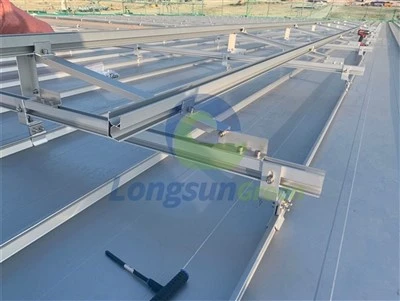
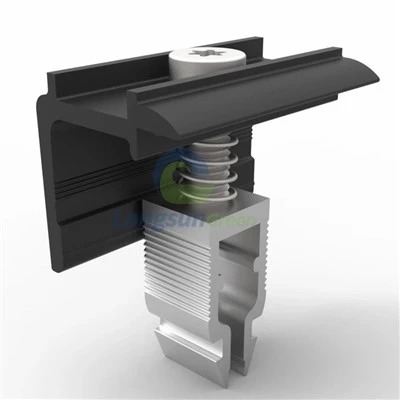
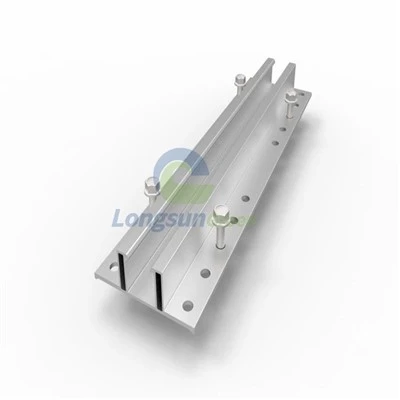
Longsun Green remains committed to supporting this transformation through high-quality mounting solutions engineered for the unique demands of off-grid installations. Our products provide the reliable foundation upon which energy independence is built, ensuring that solar arrays perform optimally for decades in any environment.