

As the world shifts towards renewable energy, understanding the technology behind solar installations is key to maximizing efficiency and return on investment. At Longsun Green, a professional manufacturer of high-quality solar mounting systems, we believe that great installations start with great knowledge.
Whether you are a homeowner looking to reduce bills or a developer planning a large-scale project, one of the first technical decisions you will face is choosing the type of photovoltaic (PV) system. To help clarify this, we've broken down the three main system architectures used in the industry today.
Here is a simple guide to how they work and when to use them.
1. Grid-Tied (On-Grid) Systems: The Efficiency Choice
A grid-tied system is the most common and cost-effective setup for urban and suburban areas. It consists of solar panels and a grid-tied inverter, operating without the need for on-site battery storage.
How it works: The DC power generated by your panels is converted into AC power by the inverter and fed directly into the public electricity grid. Your property uses power from the grid as usual, and the energy your system produces offsets your consumption (often via net metering).
Best For: Homes and businesses that already have reliable access to the utility grid.
Longsun Insight: By eliminating batteries, this system reduces initial equipment costs and avoids the energy losses associated with charging and discharging storage units.

2. Off-Grid Systems: The Independent Solution
For remote locations where the utility grid is inaccessible or unreliable, off-grid systems provide complete energy independence. These systems are more complex, typically comprising solar panels, a charge controller, an inverter, and a battery bank.
How it works: During daylight, the system powers your loads directly and stores surplus energy in the battery bank. This stored energy is then used during the night or on cloudy days to ensure a continuous power supply.
Best For: Rural cabins, remote industrial sites, or areas with frequent grid failures.
Longsun Insight: While batteries increase the overall system cost, they provide the essential benefit of electricity availability regardless of the time of day or grid status.

3. Hybrid Systems: The Best of Both Worlds
A hybrid system combines the reliability of off-grid storage with the flexibility of grid connection. It is essentially an off-grid system enhanced with grid-tie capabilities.
How it works: The system prioritizes powering your home or facility with solar energy. Excess energy first charges the batteries; once the batteries are full, the remaining surplus is exported to the grid. If the solar panels aren't producing enough, the system automatically draws power from the batteries and the grid to meet demand.
Best For: Users who want energy security (backup power) but also the opportunity to earn credits by feeding power back to the utility company.
Longsun Insight: Although hybrid inverters are more advanced and carry a higher price tag, they offer unparalleled flexibility and control over your energy usage.

The Longsun Green Difference
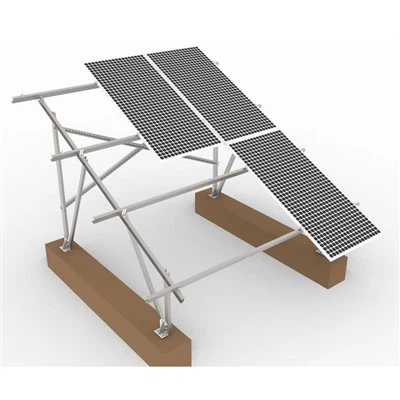
No matter which PV system you choose-Grid-Tied, Off-Grid, or Hybrid-the physical structure that holds your panels is just as important as the electrical components. A durable, reliable mounting system ensures your investment is protected against the elements for decades.
At Longsun Green, we specialize in providing robust and versatile solar mounting solutions tailored to projects of all sizes. From rooftop hooks to ground screw foundations, our engineering team ensures your solar array stands strong.
Have questions about which mounting system fits your next project?
Contact us today: amber@longsungreen.com
Visit our website: www.longsungreen.com