

Introduction
A solar photovoltaic fence integrates solar power generation with perimeter security into a single, self-sustaining system. It combines photovoltaic (PV) panels, energy storage, electronic controllers, and an electrified fence structure to deliver a reliable, off-grid security solution. This innovative technology is increasingly adopted in agriculture, industrial sites, remote facilities, and conservation areas where grid power is unavailable or unreliable.
1. System Components & Structure
Core Components:
Photovoltaic (PV) Panels: Mounted on fence posts or integrated into the fence line, they convert sunlight into direct current (DC) electricity.
Solar Charge Controller: Regulates voltage and current from the panels to prevent battery overcharging and optimize charging cycles.
Energy Storage Unit: Typically deep-cycle lead-acid or lithium-ion batteries store excess energy for use during nighttime or cloudy conditions.
Electric Fence Energizer: Converts stored DC power into high-voltage pulses (usually 5,000–10,000 volts) with low amperage (non-lethal).
Fence Structure: Includes posts, insulators, and wires/tape that carry the pulsed current. Often made of galvanized steel, aluminum, or polymer materials.
Monitoring & Alarm System (Optional): Sensors and communication modules can trigger alerts for tampering, low battery, or intrusion attempts.
Structural Integration:
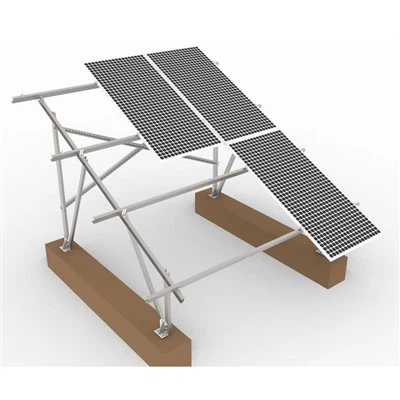
PV panels are either mounted on top of fence posts or attached as vertical panels along the fence line. Wiring runs internally through posts or along conduits, connecting the solar system to the energizer and fence wires. The design minimizes shading and maximizes solar exposure.
2. Functional Principle
Power Generation & Management:
Sunlight hits the PV panels, generating DC electricity. The charge controller directs this energy to either power the energizer directly or charge the battery. During low-light periods, the system automatically switches to battery power.
Electric Fencing Operation:
The energizer releases brief, high-voltage pulses (1–2 seconds interval) through the fence wires. Upon contact, an intruder or animal completes the circuit to the ground, receiving a sharp but safe shock. The pulsed design minimizes energy consumption while maintaining deterrence.
System Autonomy:
A well-sized system can operate independently for several days without sunlight. Modern controllers include sleep modes and adaptive pulsing to conserve energy.
3. Application Scenarios
Agricultural & Livestock Management: Keeps predators out and livestock within boundaries without grid dependency.
Remote Industrial & Utility Sites: Protects solar farms, telecom towers, and mining sites in off-grid locations.
Wildlife Conservation: Prevents human-wildlife conflict by deterring animals from entering farmlands or reserves.
Border & Perimeter Security: Used in temporary installations or areas with inadequate power infrastructure.
Residential & Commercial Properties: Offers eco-friendly security for homes, warehouses, and resorts.

4. Advantages & Benefits
Operational Advantages:
Energy Independence: Eliminates reliance on grid power and reduces operational costs.
Easy Installation & Scalability: No trenching for power lines; modular design allows expansion.
Low Maintenance: Few moving parts; periodic cleaning of panels and battery checks suffice.
Environmental Sustainability: Zero emissions, silent operation, and renewable energy use.
Reliability: Unaffected by power outages; suitable for harsh or remote environments.
Security Effectiveness:
Strong Psychological & Physical Deterrence: The visible solar panels and warning signs enhance perceived security.
Integration with Surveillance: Can power CCTV cameras, motion sensors, and wireless alarms.
Adaptability: Configurable for varying voltages and pulse patterns based on threat levels.
5. Case Studies
Case 1: Solar-Powered Elephant Fence, Kenya
In Tsavo National Park, a solar PV fence was installed to protect farmlands from elephant raids. The system uses 400W PV panels and a 12V battery bank, powering 8km of fencing. Intrusions decreased by over 90% within six months, reducing crop loss and improving community relations.
Case 2: Off-Grid Industrial Site Protection, Australia
A mining company in Western Australia deployed a solar fence around a remote exploration site. The system integrates vibration sensors and satellite communication, enabling real-time intrusion alerts. It operated continuously for 18 months without grid connection, cutting security costs by 40%.
Case 3: Agricultural Integration, California, USA
A vineyard in Napa Valley implemented a solar fence combining security and deer deterrence. The system powers both the fence and drip irrigation sensors. Energy savings and reduced wildlife damage increased net profits by approximately 15% annually.
6. Research & Development Trends
Technological Innovations:
Hybrid Systems: Integrating wind turbines or thermal sensors for enhanced reliability.
Smart Monitoring: IoT-enabled controllers with remote diagnostics and predictive maintenance.
Advanced Materials: Development of transparent PV panels and lightweight, high-capacity batteries.
AI Optimization: Machine learning algorithms to adjust pulse frequency based on weather and intrusion patterns.
Market Growth:
The global solar fence market is projected to grow at a CAGR of 8.5% from 2023 to 2030, driven by rising security needs and renewable energy adoption.
Conclusion
Solar photovoltaic fences represent a convergence of renewable energy and security technology. By offering a self-sufficient, scalable, and eco-friendly perimeter solution, they address critical challenges in agriculture, industry, and conservation. Ongoing advancements in energy storage and smart monitoring will further expand their applicability and efficiency, solidifying their role in sustainable infrastructure.