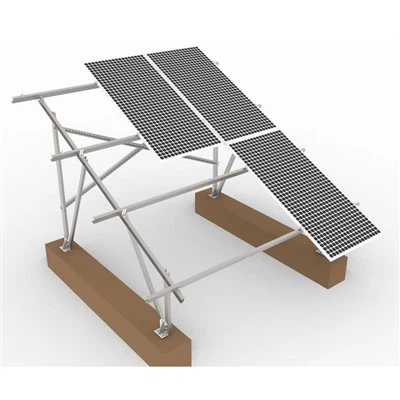


As solar adoption continues to rise, flat-roof building owners often wonder whether their property is suitable for photovoltaic installation. The answer is yes-but the approach matters significantly. Flat roofs present unique challenges that demand specialized mounting strategies, unlike the straightforward installations common on pitched roofs.
At Longsun Green, we specialize in engineering solar mounting structures that address these challenges head-on. From retail centers to industrial warehouses, we've designed systems that balance performance, durability, and roof protection. This article explores five proven mounting solutions for flat-roof solar projects, helping you make an informed decision based on your specific needs.
1. Ballasted Mounting Systems (Non-Penetrating)
Ballasted systems secure solar arrays using weight alone-typically concrete blocks placed on the frame-eliminating any need for roof penetration. This approach is particularly advantageous for large flat roofs such as those found on shopping malls, schools, and big-box retail stores.
The absence of drills or fasteners means zero breach of the waterproof membrane, significantly reducing the risk of leaks. Weight distribution is carefully calculated to withstand local wind and snow conditions while protecting the underlying roof structure. For membrane roofs like EPDM or TPO, this is often the safest and most recommended solution.
2. Penetrating Frame Mounts
For projects requiring maximum structural anchorage, penetrating mounts involve bolting the racking system directly into the roof deck. While this method does create small penetrations, each is meticulously sealed with flashings, gaskets, and sealants to ensure watertight integrity.
This approach is well-suited for smaller roofs or regions with moderate wind loads. When executed properly by experienced installers, penetrating mounts provide exceptional stability and are often favored for roofs where weight restrictions limit the use of ballast.

3. Fully Integrated Roof Mounts
Integrated systems embed the solar structure directly into the roofing assembly, rather than mounting it on top. This creates a seamless, low-profile appearance that is aesthetically superior and offers excellent airflow management.
However, this solution is highly customized and typically reserved for new construction projects or complete roof replacement scenarios. The integration process requires close coordination between solar engineers and roofing contractors. The result is a clean, durable system that blends form and function-ideal for showrooms, corporate campuses, and architecturally sensitive sites.
4. Hybrid Ballast + Penetration Systems
Hybrid solutions combine the best of both worlds: primary stability is achieved through ballast weight, supplemented by strategic penetration points for enhanced holding power.
This mixed approach reduces the total number of roof penetrations while delivering superior wind resistance. It is an excellent choice for high-wind zones, aging roofs that require careful handling, and large-scale industrial facilities where both security and roof preservation are priorities. By minimizing holes while maximizing grip, hybrid systems offer a balanced, cost-effective alternative.
5. Adjustable Tilt Stand Systems
Tilt stands elevate solar panels above the roof surface at an optimized angle, typically between 10° and 15°. This inclination not only maximizes solar irradiation capture but also promotes natural drainage of rain and debris.
These stands can be configured as ballasted or penetrated depending on site conditions. They are particularly effective on expansive warehouse roofs and other large flat surfaces where row spacing and airflow can be managed efficiently. Proper tilt angle selection-based on geographic location and seasonal sun paths-can significantly boost annual energy yield.
Choosing the Right Solution: A Quick Guide
For EPDM or TPO membrane roofs, a ballasted (non-penetrating) system is the safest choice, as it eliminates any risk of membrane breach. Older PVC or built-up roofs, where weight capacity may be limited, are better served by a penetrating frame with proper sealing to ensure secure anchorage. Large warehouses and distribution centers benefit most from hybrid or tilt stand systems, which strike an optimal balance between structural hold and energy yield. For new construction or showroom projects, integrated systems offer a clean appearance and custom fit that enhances architectural aesthetics. In high-wind regions, a hybrid system combined with tilt stands or a fully bolted-down solution provides maximum wind resistance and peace of mind.
Final Thoughts
Selecting the right mounting structure for your flat roof solar project is not a one-size-fits-all decision. Factors such as roof type, local climate, building codes, and budget all play a role. At Longsun Green, we bring years of expertise to every project-ensuring your system is safe, efficient, and built to last.
Whether you're powering a factory, a school, or a commercial complex, the right foundation makes all the difference.

About Longsun Green
Longsun Green is a dedicated manufacturer of high-quality solar mounting structures. Our product range spans ballasted systems, penetrating frames, tilt stands, and custom solutions for flat and pitched roofs. Every component is precision-engineered for durability, ease of installation, and long-term performance.
Media Contact:
Email: amber@longsungreen.com
Website: www.longsungreen.com