

Abstract
Bifacial Vertical Solar Fences (BVFs) represent an innovative integration of renewable energy generation and functional infrastructure. This article provides a detailed examination of BVFs, covering their structural design, operational principles, diverse application scenarios, comparative advantages, and real-world implementations. As a solution at the intersection of energy, architecture, and land-use optimization, BVFs offer significant research and practical value for sustainable development.
1. Structural Introduction
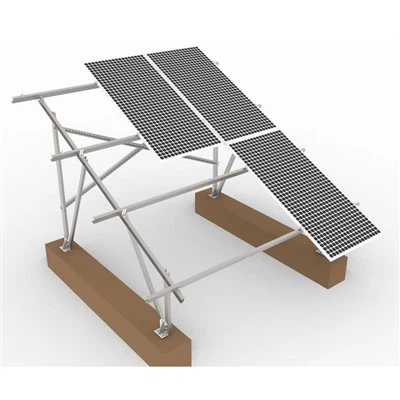
A Bifacial Vertical Solar Fence is a modular system that replaces or integrates with conventional fencing. Its core components are vertically mounted bifacial photovoltaic (PV) modules. These modules are typically secured within a robust aluminum or steel framework, designed to withstand wind loads and environmental exposure. The structure includes:
Bifacial PV Panels: Glass-glass modules that capture sunlight on both the front and rear sides.
Vertical Support Structure: Racking systems optimized for vertical orientation, often with adjustable tilt (near-90°).
Foundation & Mounting: Ground screws, concrete footings, or attachments to existing walls/fences.
Balance of System (BOS): Inverters (often string or microinverters), cabling, and monitoring systems, sometimes integrated into the posts.
2. Functional Principle
BVFs leverage the physics of bifacial PV technology. The front side captures direct and diffuse sunlight, while the rear side captures reflected and albedo light from the ground (e.g., grass, concrete, snow) and diffuse light from the sky.
Vertical Orientation: This reduces soiling (dust accumulation) and eliminates seasonal tilt adjustments. It inherently favors energy production during morning and evening hours (east-west facing setups), coinciding with peak demand periods in many regions. It also minimizes inter-row shading, making efficient use of space.
Bifacial Gain: The additional energy yield from the rear side, typically ranging from 5% to 30% depending on ground reflectivity (albedo), installation height, and site conditions.
3. Application Scenarios
BVFs are highly versatile, suitable for:
Commercial & Industrial Perimeters: Security fencing for factories, warehouses, logistics centers, and business parks that also generates on-site power.
Agricultural & Agrivoltaic Systems: Acting as windbreaks, boundary markers, and energy sources for farms without competing for horizontal farmland ("vertical agrivoltaics").
Utility-Scale Solar Farms: Deployed as perimeter fences or internal dividers, adding significant capacity without additional land acquisition. They can also reduce wind speed and snow drift on main horizontal arrays.
Public Infrastructure & Noise Barriers: Along highways, railways, and substations, serving dual functions as noise abatement and energy generation.
Urban & Residential Settings: For parking lots, schools, public buildings, and high-end properties, providing privacy, security, and clean energy.

4. Product Advantages
Land-Use Efficiency: Generates power without consuming dedicated land, ideal for space-constrained areas.
Dual-Functionality: Combines energy production with core fencing functions (security, privacy, boundary definition).
Enhanced Energy Yield Profile: Produces more power during peak morning/evening hours, flattening the generation curve and improving grid alignment.
Reduced Soiling & Maintenance: Vertical orientation minimizes dust/snow accumulation, lowering cleaning frequency and water usage.
Durability: Bifacial glass-glass modules are often more robust and have longer warranties (e.g., 30 years).
Aesthetic & Architectural Integration: Offers a modern, tech-forward appearance and can be customized in terms of frame color and module spacing.
Microclimate Benefits: Can act as a windbreak, reducing erosion or protecting crops.
5. Success Case Studies
Netherlands - Solar Highways: Multiple projects where BVFs are installed as noise barriers along highways, generating power for local grids and street lighting.
Germany - Agricultural Pilot: A farm in Bavaria uses east-west facing BVFs as paddock dividers, powering irrigation and farm operations while providing shelter for livestock.
USA - Commercial Perimeter: A logistics company in California installed a 1.2 MW BVF system around its distribution center, meeting ~20% of its energy needs and enhancing site security.
Japan - Train Station Integration: Vertical bifacial panels integrated into station fencing, contributing to the station's energy consumption.
6. Conclusion and Research Significance
Bifacial Vertical Solar Fences are more than a niche product; they are a pragmatic solution for distributed energy generation. Research into BVFs focuses on optimizing albedo enhancement (reflective ground covers), hybrid applications with agriculture, detailed lifecycle analysis, and their role in smart grids due to their unique generation profile. They exemplify the principle of "dual-use of space," a critical concept for achieving high penetration of renewables in a world with competing land-use demands. As technology costs decline and system integration improves, BVFs are poised to become a standard feature in sustainable infrastructure planning.